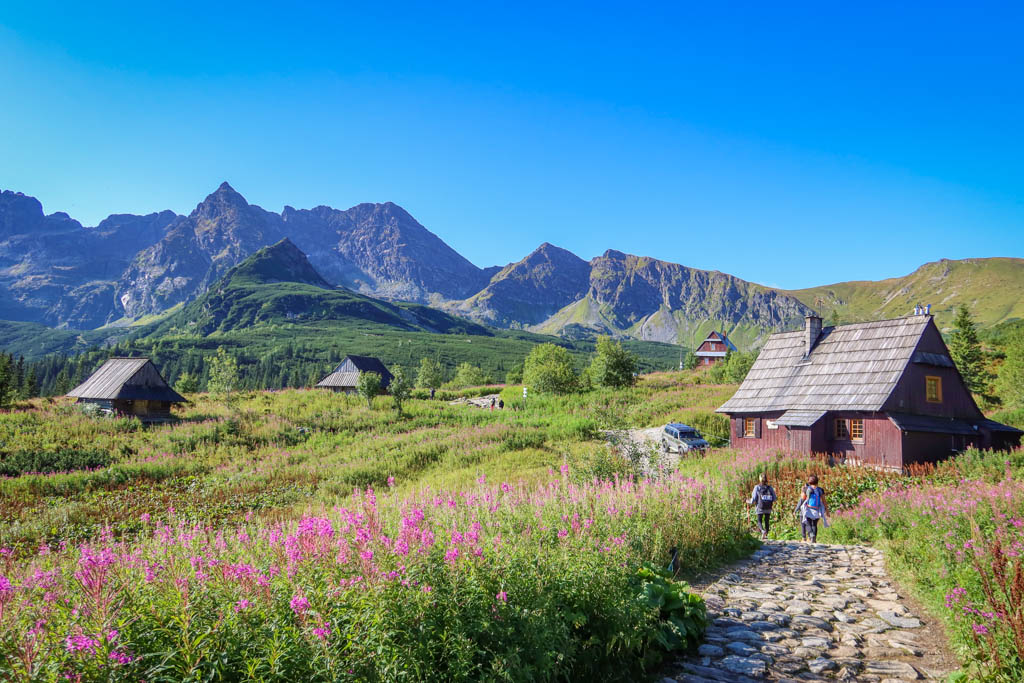
With its highest point, Rysy (2,499 m), located on the Polish–Slovak border, the Tatra Mountains are the highest in Poland and the only ones with an Alpine character in the country, where most of its land consists of fields.
The Tatra Mountains are the ideal destination hiking geeks, with dozens of arduous trails. But for first-time hikers like me, the journey isn’t always easy. Here’s the story of my climb, what I learned along the way, and why it was absolutely worth doing again.
When many people think of Poland, the envisage the vibrant cities, the complex and detailed history, the tasty cuisine, but perhaps they don’t consider the natural beauty. While this doesn’t apply to everyone, this was certainly the case for us, and many people we spoke to regarding Poland before visiting. Tucked away along the southern border of Poland is a true ‘hidden gem’ of the country.. Zakopane!
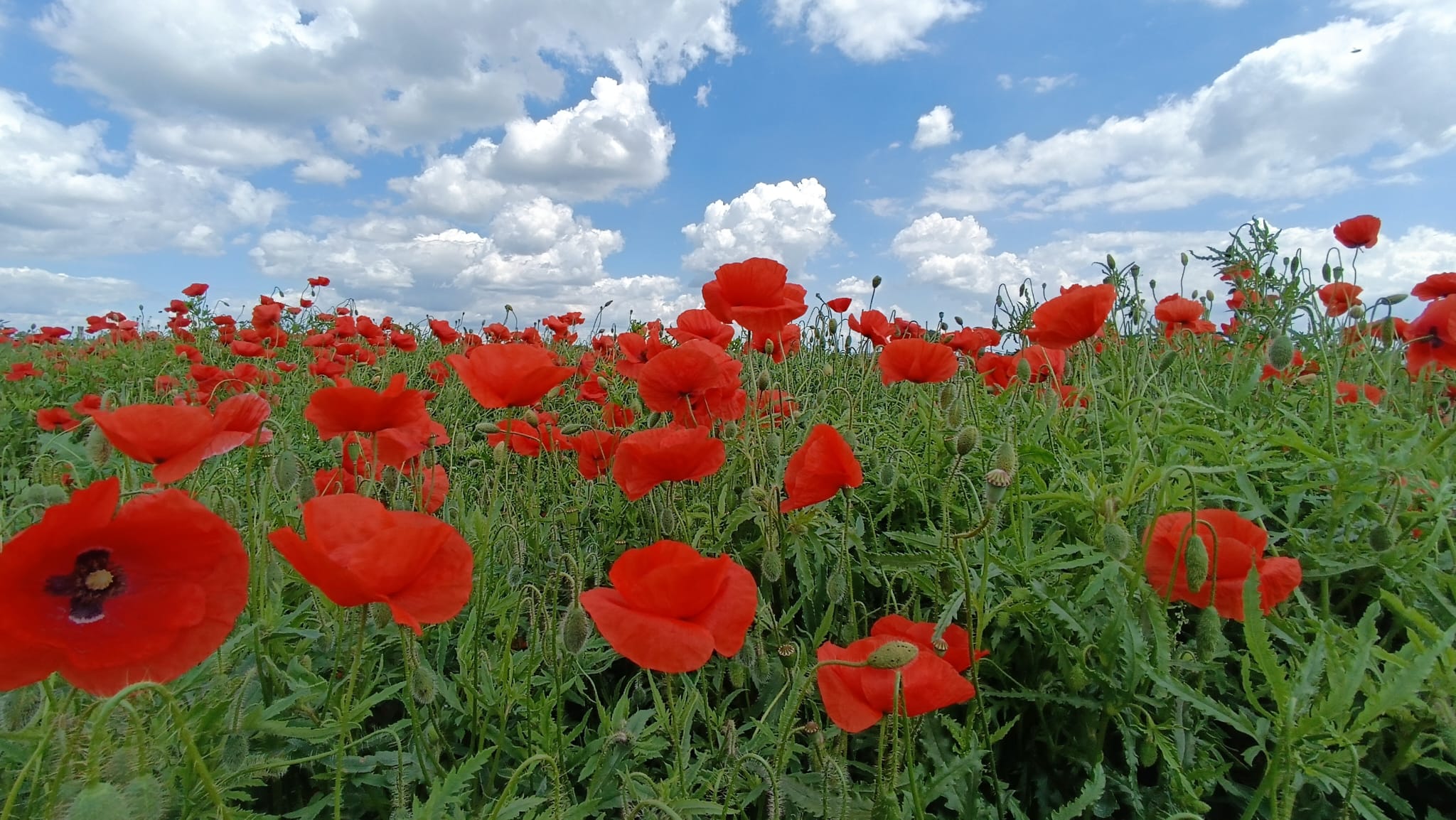
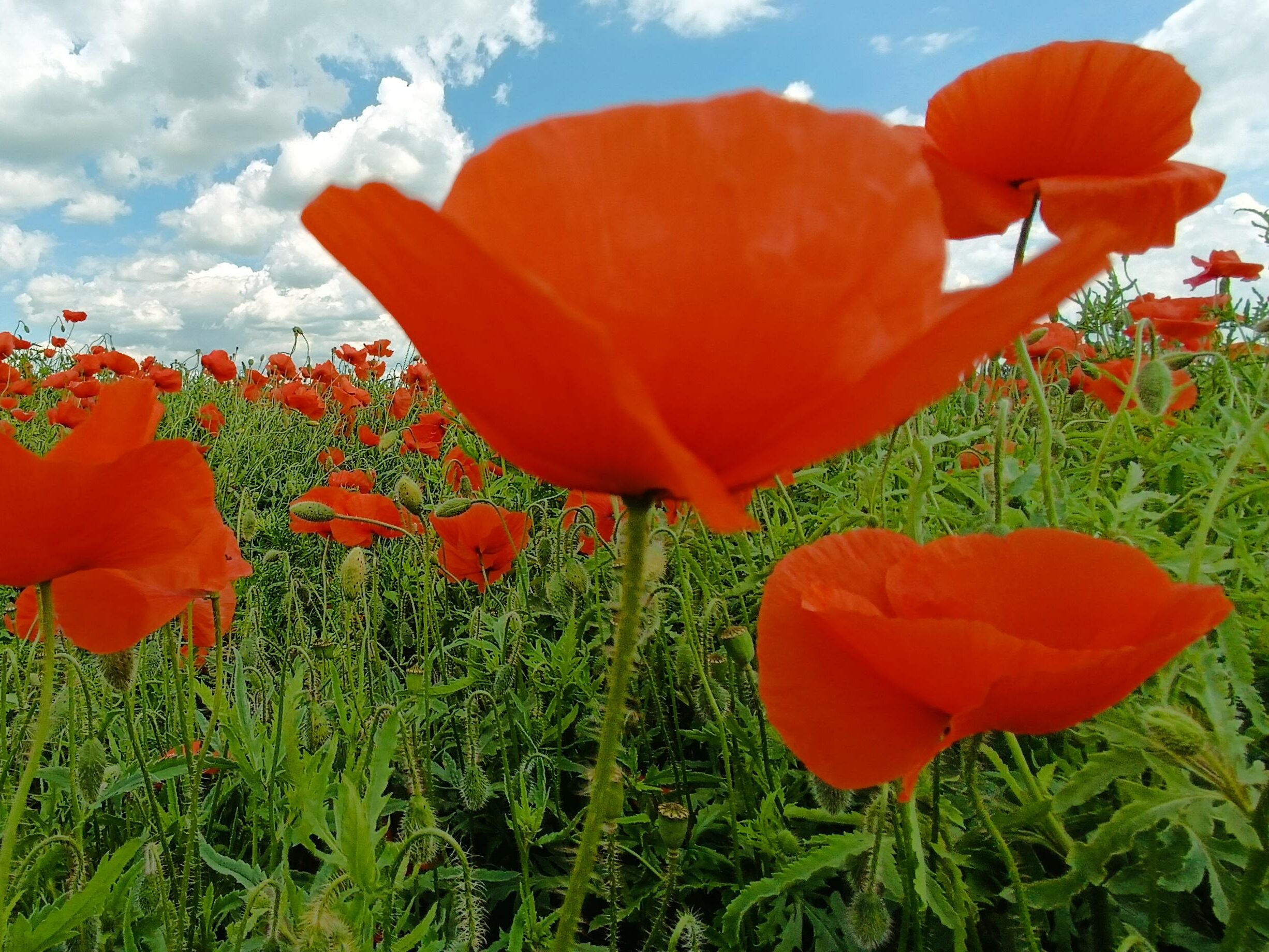
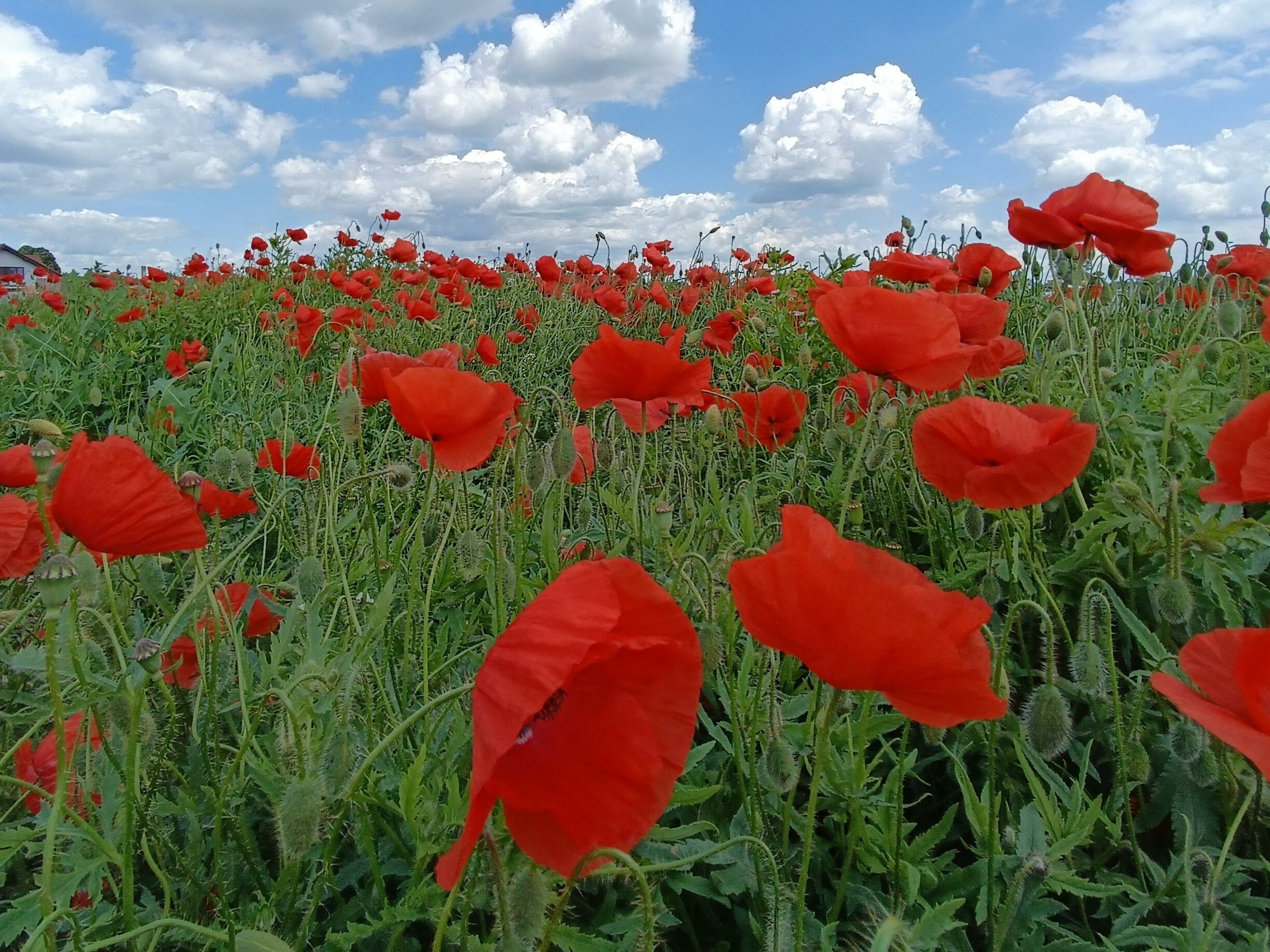
In Poland, they call it pole maków which means a poppy field.
Every year in June, Poland is covered in red as poppies bloom across the fields for a few short weeks, and only in several locations throughout the country.
Here you can find these beautiful poppy fields for an outdoor photoshoot or a small picnic with your loved ones.
When June arrives in Poland, the countryside finally awakens from its long winter slumber and sheds its pale cover to dress itself in an alluring canvas, painted mostly in vivid red by thousands of blooming poppies that spread across the landscape.
For several sunny weeks, the red hue of poppies abide under the blue sky in complete harmony with the green stems that sweeps through the expansive land.
Poppy flowers only blossom briefly between the months of May and August. It grows predominantly in the dirt and on both sides of the pavement, in lowlands and in the foothills. During this short period, the redness of fields and meadows become an unforgottable moments for those who crave such natural gems.
In many European countries, including Poland, the poppy is a symbolic flower. It has been closely associated to the European fields where its brilliant redness added charm to open landscapes. Through time, it turned from a wildflower to be used in art, medicine, and cosmetics, as well as for the production of oil.
Beyond its beauty, the red poppy flower has acquired symbolism that has made it a memorial to victims of war, especially in Poland through the popular song “Czerwone Maki na Monte Cassino” (The Red Poppies on Monte Cassino). This flower represents the memory of the Polish soldiers that fought and lost their lives in the Battle of Monte Cassino during World War II.
By the time May arrived, gorgeous crimson poppy fields were everywhere and there was no way to escape them. The images has started to flood social media and appear in friends’ posts. Before long, I found myself eager to get into these landscapes that almost surreal instead of simply admiring them through a screen.
At some point, curiosity turned into a real desire to see that view with my own eyes instead of through a screen. So we left Krakow behind and drove deeper into Małopolska. The landscape began to change—the roads grew quieter, the fields spread wider, and nature slowly took over. We drove for miles, chasing those mysterious fields I’d only seen in photos. At first, just a few poppies appeared, shy and scattered along the roadside. Then, almost without warning, we were surrounded by them—thousands of red blooms stretching endlessly toward the horizon, as if the earth had slipped into a flowing crimson dress. We didn’t even have to think about it; we pulled over, stepped out, and let ourselves be completely lost in the beauty, capturing every moment through our lenses.
The fields at the foot of the Karkonosheh Mountains are among the most beautiful places to admire the poppies. Behind this vast expanse of red, rolling hills and mountains covered in dense forests rise, creating a captivating natural tableau that combines the magic of color with the grandeur of the landscape. As the sun sets, the scene becomes even more enchanting; the poppy petals take on a warmer hue under the golden rays, while rays of light filter through the clouds and reflect off the fields, creating an unforgettable, dreamy atmosphere. For this reason, photography enthusiasts flock to these fields in the late afternoon to capture the most beautiful and magical images.
These fields are no longer just a destination for photographers; they have also become a favorite spot for families, couples, and friends looking to capture their special moments amidst an exceptional natural landscape. Many come to take family photos, engagement and wedding photos, or to celebrate a birthday or other special occasion, while others simply sit at the edges of the fields and enjoy a peaceful stroll away from the hustle and bustle of the city. These photos, after the flowering season ends and the red hues fade from the fields, remain precious memories, evoking the beauty of fleeting moments that occur only once a year, embodying the profound connection between humanity and nature, and preserving unforgettable scenes in our collective memory.
Enjoying these natural landscapes should always be accompanied by responsibility and respect for the place. This means observing or photographing them only from designated paths and trails, and avoiding trespassing among the crops, trampling the flowers, or damaging them in the pursuit of the perfect photograph.
Despite its delicate appearance, the poppy is a fragile seasonal plant, and any damage inflicted upon it or the surrounding crops can undermine the farmers’ efforts and have negative repercussions on these natural environments. Furthermore, the influx of large numbers of visitors to specific locations can, over time, lead to the deterioration of the fields and the loss of the beauty they were meant to offer.
Out of this concern, we also refrain from disclosing the precise locations of some of these fields, not to conceal them, but to protect them from overcrowding and to preserve the privacy of the landowners.
Although this scene lasts only a short time each year, it leaves a profound impression on all who visit. Pausing for a moment amidst this natural beauty, far from the noise of cities and the fast pace of life, bestows upon the visitor a sense of peace and tranquility, reminding them that the world’s greatest wonders are not created by humans, but are generously gifted by nature. Between photographs that immortalize these moments and memories that remain vivid for years to come, a visit to the poppy fields becomes an experience measured not only by the beauty of the scenery, but also by the sense of wonder and gratitude it evokes for all the fleeting treasures that nature offers, treasures that appear only once a year.
Cookie Consent
We use cookies to improve your experience on our site. By using our site, you consent to cookies.