Blog

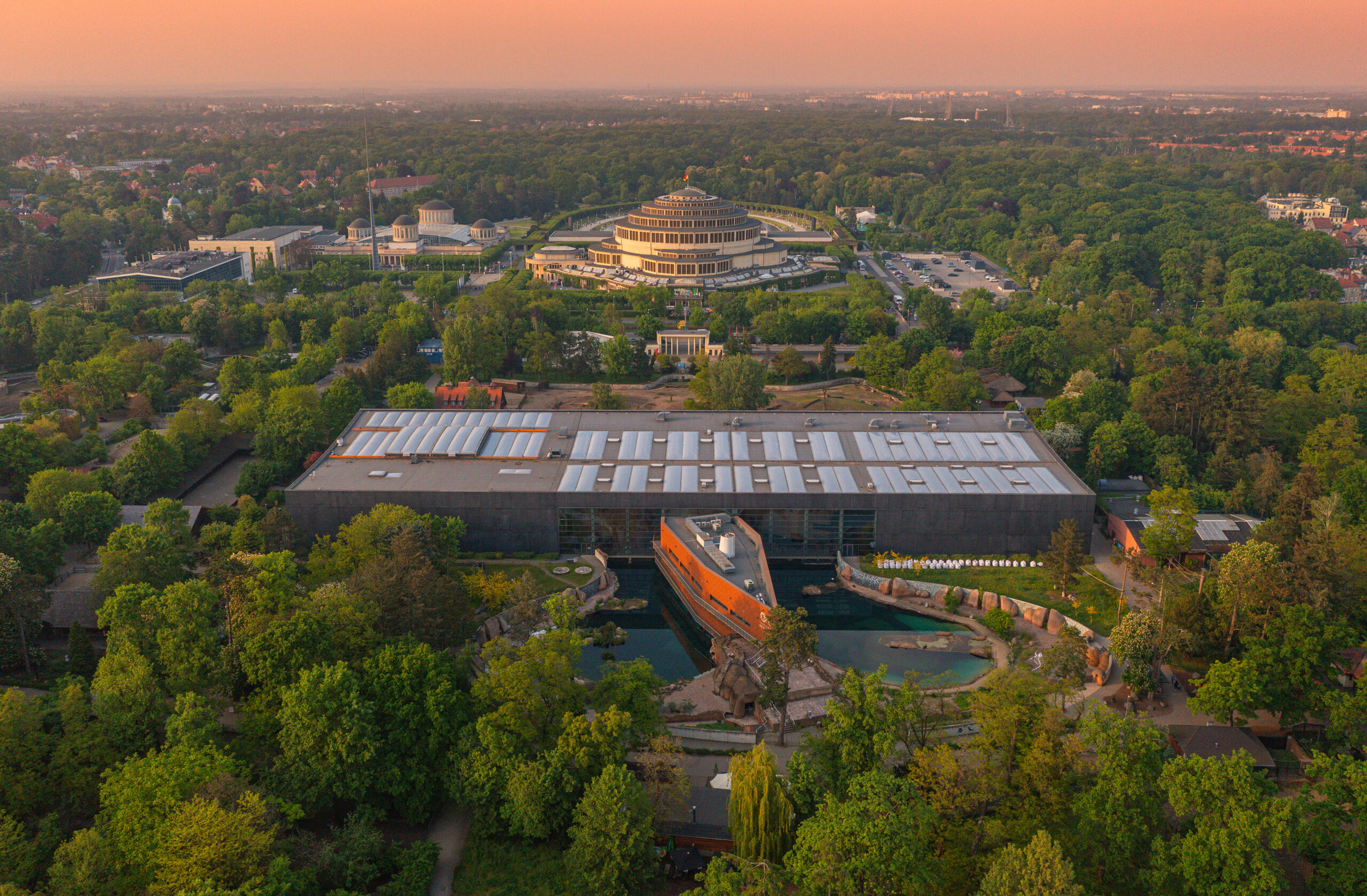
  • Is a Family Trip to Wrocław Zoo Worth It? Discover Poland’s Biggest and Most Famous Zoo

    Is a Family Trip to Wrocław Zoo Worth It? Discover Poland’s Biggest and Most Famous Zoo

    There are plenty of reasons to take the family to Wrocław. The city has its colourful Market Square, bridges crossing the Oder, beautiful historic buildings, riverside walks and the famous little dwarfs that children love searching for in the streets. But for families travelling with children, one attraction stands apart from the rest because it can easily turn an ordinary day in the city into a full adventure: Wrocław Zoo.

    Spread across a large area of the city, the zoo is one of Poland’s best-known zoological gardens and one of the country’s most popular attractions. For generations of Polish families, a visit here has been part of growing up. Today, however, the zoo is very different from the traditional animal parks many adults may remember from childhood. Its most famous addition, the Afrykarium, has transformed the experience, while modern enclosures and conservation programmes have given the institution a much broader role than simply displaying animals.

    So, is it worth spending a day there with children?

    For most families visiting Wrocław, the answer is yes — but the real reason may have less to do with the number of animals and more to do with how much there is to discover.

    The first thing you notice about Wrocław Zoo is its scale. This is not an attraction that can comfortably be squeezed into an hour between two other sightseeing stops. Once inside, you are entering a large collection of paths, habitats, buildings and exhibits that can easily occupy several hours. Children who arrive expecting to see a few familiar animals may quickly discover that the day has become a much larger expedition.

    There are big cats, primates, elephants, giraffes, birds, reptiles, amphibians and many other species, but the experience is not simply about walking from one enclosure to another. Different parts of the zoo have their own atmosphere, and the variety means that even children with short attention spans are likely to find something that captures their imagination.

    For younger visitors, the appeal is obvious. Animals that they have previously encountered only in books or on screens suddenly become real. A giraffe is no longer just a picture on a page. An elephant moves in front of them. Penguins swim underwater. A crocodile lies almost motionless while visitors gather around. Birds move through carefully designed habitats, and monkeys provide the kind of unpredictable entertainment that no timetable can guarantee.

    But the most impressive part of the zoo is undoubtedly the Afrykarium.

    Opened in 2014, the Afrykarium was designed around the aquatic ecosystems of Africa and quickly became one of Wrocław’s most recognisable attractions. Rather than presenting Africa as a single environment, it takes visitors through different aquatic landscapes and introduces them to animals associated with them. The building combines large aquariums, underwater viewing areas and carefully designed environments, creating a very different experience from walking through the outdoor parts of the zoo.

    For children, the underwater tunnel is usually one of the highlights.

    Walking beneath the water while fish move above and around you changes the scale of the experience. Instead of looking through the glass at an aquarium from the outside, you feel temporarily surrounded by the underwater world. Large fish glide overhead, rays move through the water and colourful species appear from different directions. It is the kind of environment that can make even a child who was beginning to complain about tired legs suddenly become interested again.

    The Afrykarium is also one reason adults tend to enjoy the zoo as much as children.

    There is something genuinely impressive about the architecture and engineering required to create these large aquatic habitats. The visit can therefore become educational without feeling like a school lesson. Children learn about ecosystems and species almost naturally because the animals are presented in environments that encourage observation.

    That is an important difference between a good modern zoo and an old-fashioned animal collection.

    The best experiences do not simply tell you what an animal is. They give you some sense of where it comes from, how it lives and what makes its environment important.

    Wrocław Zoo has increasingly placed conservation and education at the centre of its identity. Like major zoos around the world, it participates in breeding and conservation programmes for threatened species and uses its popularity to introduce visitors to wider environmental issues. This gives a family visit another dimension. Children can enjoy seeing animals, but they can also begin to understand that some of the creatures in front of them face serious threats in the wild.

    That can be a difficult subject to explain to young children, but it can also be one of the most valuable lessons a zoo can offer.

    A zoo visit should not leave children believing that wild animals exist primarily for human entertainment. Ideally, it should make them more curious about the natural world and more aware of the responsibility humans have towards it.

    Wrocław Zoo provides opportunities for that kind of learning.

    Of course, children will not necessarily be thinking about conservation while watching penguins swim.

    And that is perfectly normal.

    A family day out should be enjoyable first. The educational value works best when it is woven naturally into the experience rather than forced upon visitors. A child who becomes fascinated by an elephant may later ask where elephants live. A visit to the aquarium may lead to questions about oceans. Seeing a rare species may encourage curiosity about why it is endangered.

    Those questions can be more valuable than memorising facts.

    The zoo’s history also makes it an important part of Wrocław itself. It opened in the nineteenth century, making it one of the country’s oldest zoological gardens. Over the decades, it has survived enormous changes in the city and in the way people think about zoos.

    Wrocław itself has experienced an extraordinary history. The city has belonged to different states and political systems, its population has changed dramatically, and it suffered enormous destruction during the Second World War. The zoo’s survival and development form a small part of that larger story.

    For visitors interested in the history of Wrocław, this makes the zoo more than a children’s attraction.

    It is also part of the city’s cultural landscape.

    Yet the best way to visit with a family is not to spend the entire day thinking about history.

    Come prepared to walk.

    This is perhaps the most important practical point for parents. A large zoo sounds exciting when everyone is fresh, but after several hours, small children can become tired. Comfortable shoes are essential, and it is sensible to plan breaks rather than trying to see every single enclosure.

    You probably will not see everything.

    And you do not need to.

    A common mistake is treating a zoo like a checklist. Families hurry from one animal to another, trying to complete the entire map, only to discover that everyone is exhausted before the afternoon is over. Instead, choose the areas that interest your family most and allow some time for unexpected discoveries.

    Maybe the children will spend twenty minutes watching one group of animals.

    Let them.

    That is often where the real experience happens.

    The zoo is also a good place to practise something that modern travel can make surprisingly difficult: slowing down. Children do not necessarily experience attractions in the same way adults do. An adult may want to see ten exhibits in an hour. A child may become completely absorbed by one animal doing something apparently ordinary.

    Watching is part of learning.

    If a penguin is swimming, watch it.

    If a monkey is interacting with another monkey, stay a little longer.

    If a child becomes fascinated by a particular bird, there is no need to move immediately to the next attraction.

    A family trip becomes much more enjoyable when the schedule leaves room for curiosity.

    Food and breaks should also be part of the plan. A long day of walking and looking at animals can make everyone hungry, particularly younger children. Depending on the season and current facilities, visitors can use food outlets within the zoo or plan meals around their visit. Bringing water is especially important during warmer weather.

    Weather can make a significant difference as well. Wrocław’s summers can be warm, while spring and autumn can be much cooler. The zoo contains both outdoor and indoor spaces, which means a mixed-weather day does not necessarily ruin the visit, but families should dress accordingly.

    The time of day matters too.

    Arriving earlier generally gives you a better chance of exploring before the busiest periods. It also means you have more time to move at a comfortable pace. Some animals may be more active earlier in the day, although animal behaviour is naturally unpredictable — one of the reasons a zoo visit can never be completely planned.

    And that unpredictability is part of the fun.

    You may arrive at an enclosure just as an animal disappears from view.

    Then, five minutes later, it returns.

    You may walk past a sleeping animal and assume nothing is happening, only to discover something interesting on your way back.

    The zoo cannot guarantee a performance.

    It should not.

    Animals are not there to perform according to a timetable, and teaching children to observe them patiently is arguably one of the best lessons the visit can offer.

    For families travelling to Wrocław from elsewhere in Poland, the zoo can easily become one of the central activities of the trip. It works particularly well as part of a longer weekend because the city has enough other attractions to create a varied itinerary. A morning or afternoon in the Old Town can be followed by time at the zoo, or the zoo can take up most of a day before an evening walk along the Oder.

    If you are travelling with very young children, it may make sense to dedicate most of the day to the zoo rather than attempting to combine it with several distant attractions. Older children may have the energy to continue sightseeing afterwards.

    One of Wrocław’s advantages is that the city does not force families to choose between culture and entertainment. The zoo is only one part of a city that also offers museums, parks, historic architecture, river cruises and plenty of outdoor space.

    This makes Wrocław particularly comfortable for a family holiday.

    There is another reason the zoo stands out: it has become a destination in its own right.

    Many city zoos are pleasant additions to a trip but rarely justify planning a day around them. Wrocław Zoo is different. Its size, the diversity of its animal collection and especially the Afrykarium mean that families can genuinely make it one of the main reasons for visiting the city.

    So, is it worth it?

    If your children love animals, absolutely.

    If you are looking for an activity that can entertain different age groups, it is one of the safer choices in Wrocław.

    If you want something educational without turning the day into a formal lesson, it works particularly well.

    And if you simply want to spend a day walking through a large green space and seeing animals that you would never encounter in the Polish countryside, the experience is difficult to beat.

    The most important thing is to adjust your expectations. Do not arrive thinking you will see every corner of the zoo, read every information panel and photograph every species. That is likely to turn a pleasant day into an exhausting one.

    Instead, choose a few highlights.

    Give yourself time for the Afrykarium.

    Take breaks.

    Let children decide which animals deserve another look.

    And accept that some of the best moments will be completely unplanned.

    By the time you leave, tired children may be carrying souvenirs, parents may be checking how many steps they have walked and everyone may have a favourite animal that nobody expected to care about before the visit.

    That is the sign of a successful family day.

    Wrocław Zoo is not simply a place where children can see animals. At its best, it is a place where curiosity takes over — where a child stops asking how much longer they have to walk because something fascinating has appeared in front of them.

    And perhaps that is the strongest reason to visit.

    Long after the details of the day have blurred together, they may remember the moment an enormous fish passed above their heads in the Afrykarium, the first time they saw an elephant up close, or the unexpected animal that made them stop and stare.

    Those are the moments that make a family trip worthwhile.

    And for families visiting Wrocław, there are few places better equipped to create them than this extraordinary zoo.

  • How to Make Poland’s Famous Dumplings: Pierogi

    How to Make Poland’s Famous Dumplings: Pierogi

    Roll up your sleeves and join us at at a local restaurant in the city center, right next to the Old Town, for a hands-on pierogi adventure! Learn to make dough from scratch and fill your pierogi with two tasty fillings.

    Our local pierogi expert will guide you every step of the way, sharing family secrets passed down through generations, and making sure you master the technique without going hungry – because we’ll eat the pierogi we make together! To make the process even more fun, there’ll be wine or beer to sip while you roll and fill your pierogi.

    Pierogi-making is a cherished family tradition and an essential part of Polish culture – there’s truly no better way to spend time in Poland. Whether you’re a kitchen novice or a budding chef, you’ll leave confident in your skills, full of tasty pierogi, and with stories to take home.We can’t wait to welcome you!

    Few foods are as closely associated with Poland as pierogi. Ask someone who has never visited the country to name a Polish dish, and there is a good chance these small, folded dumplings will be among the first answers. They have become one of Poland’s best-known culinary exports, appearing on restaurant menus around the world, but their true character is best understood at home, where pierogi are still closely connected with family, celebration and the simple pleasure of preparing food together.

    In Poland, pierogi are much more than something to order in a restaurant.

    They belong to the rhythm of everyday cooking and to some of the country’s most important family traditions. They can be filled with potatoes and cheese, sauerkraut and mushrooms, meat or seasonal fruit. They can be served as a savoury lunch, a comforting dinner or a sweet dish. Some are boiled and served with melted butter, others are fried afterwards until their edges become golden and crisp. At Christmas, during family gatherings and on ordinary weekends, pierogi can bring several generations together around the same kitchen table.

    And although they may look complicated when you first see a plate piled high with perfectly shaped dumplings, making them at home is much less intimidating than it appears.

    The secret is not some mysterious Polish technique.

    It is patience.

    The story behind Poland’s favourite dumpling

    Pierogi have a long and complicated history, and their exact origins are the subject of discussion among food historians. Similar filled dumplings exist in many parts of Europe and Asia, and the Polish tradition developed through centuries of cultural exchange. What is certain is that pierogi became deeply rooted in Polish cuisine and eventually developed into one of the country’s defining dishes.

    That history is reflected in the enormous variety of fillings found across Poland.

    There is no single pierogi recipe that represents the entire country.

    In some homes, the classic filling is a mixture of potatoes, farmer’s cheese and fried onion. These are the famous pierogi ruskie, despite their name, which refers historically to Ruthenian regions rather than modern Russia. In other kitchens, sauerkraut and mushrooms are favourites, particularly during the Christmas season. Meat-filled versions are popular as well, while summer brings sweet pierogi filled with strawberries, blueberries, cherries or other seasonal fruit.

    The dough, however, is the common thread.

    It is simple, inexpensive and remarkably forgiving.

    What you need

    For approximately 35–40 pierogi, you will need:

    For the dough:

    • 500 g plain flour
    • 250–300 ml warm water
    • 1 egg
    • 1 tablespoon vegetable oil or melted butter
    • ½ teaspoon salt

    For a classic potato-and-cheese filling:

    • 500 g potatoes
    • 250 g farmer’s cheese or well-drained cottage cheese
    • 1 medium onion
    • 1–2 tablespoons butter or oil
    • Salt and freshly ground black pepper

    You can adjust the filling according to taste. Some people prefer more cheese, others more potato, while fried onion can be made more generous for a deeper flavour.

    The important thing is to keep the filling relatively dry. A wet filling can make the dough difficult to seal and may cause the pierogi to open during cooking.

    Making the dough

    Start by placing the flour in a large bowl and adding the salt. Make a well in the centre and add the egg, followed by the oil or melted butter.

    Begin adding the warm water gradually while mixing. Do not pour all of it in at once because the amount of water required can vary depending on the flour. Stir until the mixture begins to form a dough, then transfer it to a lightly floured surface.

    Now comes the part that cannot really be rushed.

    Knead the dough for several minutes until it becomes smooth and elastic. At first it may feel slightly rough, but as you continue working it, the texture should become soft and supple. If it feels excessively sticky, add a little more flour. If it seems dry and difficult to knead, add a small amount of water.

    The finished dough should feel soft without sticking heavily to your hands.

    Cover it with a clean cloth or place it in a bowl covered with a plate or plastic wrap and allow it to rest for about 20–30 minutes.

    This resting period is important.

    The dough needs time to relax. If you roll it immediately, it may spring back and become difficult to work with. After resting, it should be noticeably easier to roll thinly.

    Preparing the filling

    While the dough rests, prepare the filling.

    Peel the potatoes and cut them into evenly sized pieces. Place them in salted water and cook until completely tender. Drain them well and allow the steam to escape for a few minutes.

    Meanwhile, finely chop the onion.

    Heat the butter or oil in a frying pan and cook the onion slowly until it becomes soft and golden. Do not rush this stage. Properly caramelised onion gives the filling much of its characteristic flavour.

    Mash the potatoes while they are still warm, then combine them with the farmer’s cheese and fried onion. Season generously with salt and black pepper.

    The filling should be creamy but firm enough to hold its shape.

    Taste it.

    This is one of the advantages of making pierogi at home: the filling can be adjusted before it ever reaches the dough. If it needs more salt, add it. If you want more pepper or onion, this is the moment.

    Allow the filling to cool before assembling the dumplings.

    Rolling the dough

    Divide the rested dough into two or three portions, keeping the pieces you are not using covered so they do not dry out.

    Roll one portion on a lightly floured surface until it is thin — roughly 2 mm is a good guide. It should be thin enough that the finished pierogi are delicate, but not so thin that the filling can break through.

    Using a round cutter or an upside-down glass, cut circles from the dough.

    Place the circles on the work surface and keep any unused dough covered.

    Now comes the moment when pierogi begin to look like pierogi.

    Filling and folding

    Place a small spoonful of filling in the centre of each dough circle. Resist the temptation to overfill them. A generous amount may look appealing, but too much filling makes the edges difficult to seal.

    Dip your finger in a little water and run it around the edge of the dough.

    Fold the circle in half over the filling.

    Press the edges together firmly with your fingers, making sure there is no filling trapped in the seam. You should end up with a small crescent-shaped dumpling.

    This is where Polish kitchens often become workshops.

    Once the basic technique is mastered, people develop their own ways of sealing and decorating the edges. Some use their fingers to create a simple pattern; others make neat pleats along the seam. The appearance does not need to be perfect. In fact, slightly irregular homemade pierogi often look more inviting than identical restaurant dumplings.

    The important thing is that they are properly sealed.

    Place the finished pierogi on a lightly floured tray and continue until all the dough and filling have been used.

    Cooking the pierogi

    Bring a large pot of salted water to a gentle boil.

    Do not overcrowd the pot. Depending on its size, cook the pierogi in batches.

    Carefully place them into the water and stir gently once or twice so that they do not stick to the bottom.

    At first, the dumplings will sink.

    Then, gradually, they will rise towards the surface.

    Once they float, allow them to cook for another two to three minutes, depending on the thickness of the dough. Remove them with a slotted spoon and drain well.

    At this stage, you already have traditional boiled pierogi.

    But there is another step that many Polish cooks consider essential.

    The golden finish

    Heat a frying pan and add a little butter.

    Place the cooked pierogi into the pan and fry them gently until the outside becomes golden brown. The edges should develop a light crispness while the inside remains soft and comforting.

    Add the remaining fried onions if you have some.

    This combination — tender dough, creamy filling, sweet onion and a lightly crisp exterior — is one of the simplest expressions of Polish comfort food.

    Serve the pierogi hot.

    A spoonful of sour cream on the side is traditional in many households, while fresh herbs can add brightness. Some people prefer them simply with melted butter and onion.

    There is no need to overcomplicate them.

    Pierogi change with the seasons

    One of the reasons pierogi have survived so strongly in Polish cuisine is their versatility.

    In summer, sweet pierogi can become the centre of the meal. Fresh strawberries, blueberries, cherries or other seasonal fruit can be placed inside the dough, sometimes with a little sugar. Once boiled, they can be served with sour cream, yoghurt, butter or a light dusting of sugar.

    In autumn and winter, savoury fillings become more common. Mushrooms, cabbage, sauerkraut and meat create richer combinations suited to colder weather.

    Christmas brings some of the most important pierogi traditions of all. Many Polish families prepare pierogi filled with sauerkraut and mushrooms as part of the Christmas Eve meal, known as Wigilia. Preparing them can become a family ritual, with several generations working together to roll the dough, prepare the filling and fold hundreds of dumplings.

    That is when pierogi become more than food.

    They become memory.

    A child learns how to seal the edges from a parent or grandparent. Someone rolls the dough. Someone else prepares the filling. Another person places the finished dumplings onto trays. The kitchen becomes crowded, flour appears on the table and conversation continues while the work gets done.

    Years later, people may remember those evenings more vividly than the food itself.

    The Polish art of making too many

    There is one unofficial rule that seems to appear in kitchens across Poland: never make exactly enough pierogi.

    Make more.

    Always more.

    The reason is obvious once the first batch reaches the table. People eat them quickly, then someone reaches for another. A few disappear from the plate while still warm. The leftovers can be refrigerated and fried the next day, when the dough becomes wonderfully crisp.

    Pierogi are also excellent for freezing. Arrange uncooked dumplings in a single layer on a floured or parchment-lined tray and freeze them until firm before transferring them to a container or freezer bag. They can then be cooked directly from frozen, although they will need a little more time in the boiling water.

    This makes pierogi particularly useful for busy households.

    One afternoon of work can provide several meals.

    The real secret is the kitchen table

    It is easy to understand why pierogi became such an international symbol of Poland. They are visually distinctive, adaptable and comforting. But their importance to Polish culture is not really found in the dumpling itself.

    It is found in what happens around it.

    Pierogi are food made for sharing.

    They are made in large quantities because they are often made for families. They can be prepared ahead of celebrations. They can be filled with whatever is available. They can be sweet or savoury, simple or elaborate, traditional or adapted to modern tastes.

    Most importantly, they invite people into the kitchen.

    And that is why making pierogi at home can be a more meaningful experience than simply ordering them in a restaurant.

    The first batch may not look perfect. Some will be too large, some too small, and one or two may open in the pot. That does not matter. By the second batch, your hands will begin to understand how much filling to use and how firmly to press the edges. By the third, the process becomes almost automatic.

    Soon you are no longer thinking about each step.

    You are simply making pierogi.

    And that is when the recipe becomes something more than instructions on a page.

    It becomes a small connection to one of Poland’s oldest and most beloved food traditions — a tradition that has travelled from village kitchens to modern restaurants around the world without losing its essential character.

    So if you want to bring a little Polish cooking into your own kitchen, start with flour, potatoes, cheese and onions.

    Clear a space on the table.

    Invite someone to help.

    Make far more than you think you need.

    And when the first golden pierogi arrive on the plate, serve them hot, sit down together and enjoy the result.

    Because in Poland, pierogi have never been only about what is inside the dough.

    They have always been about the people gathered around it.

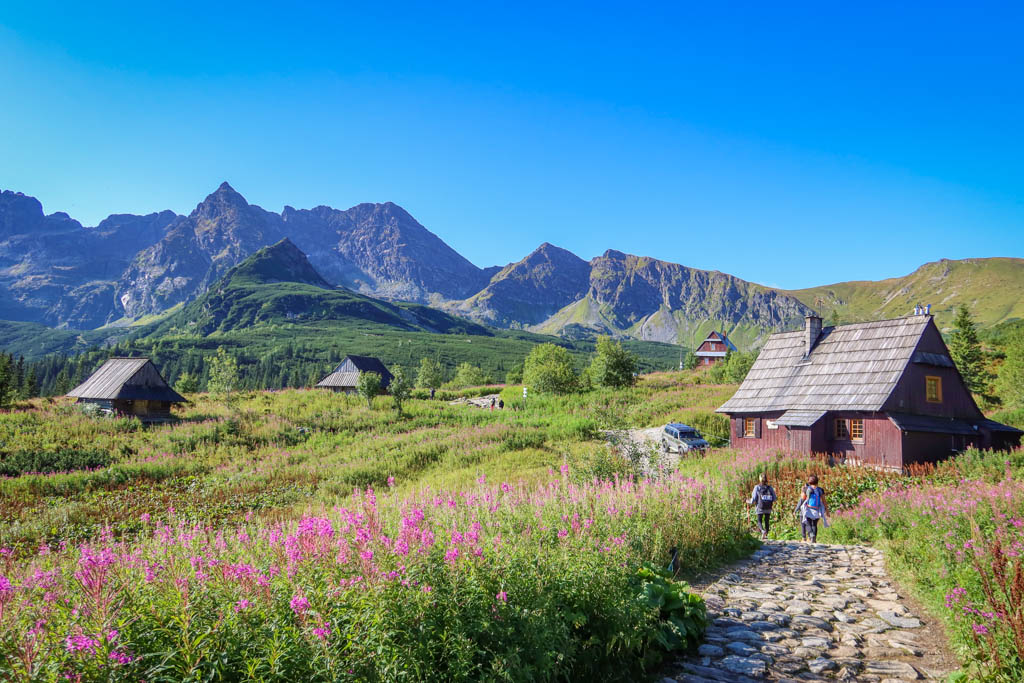
  • I Climbed the Tatra Mountains and Here’s How You Can Do It (Step-by-Step Guide)

    I Climbed the Tatra Mountains and Here’s How You Can Do It (Step-by-Step Guide)

    When many people think of Poland, the envisage the vibrant cities, the complex and detailed history, the tasty cuisine, but perhaps they don’t consider the natural beauty. While this doesn’t apply to everyone, this was certainly the case for us, and many people we spoke to regarding Poland before visiting. Tucked away along the southern border of Poland is a true ‘hidden gem’ of the country.. Zakopane!

  • Why Rosół Became One of My Favorite Soups

    Why Rosół Became One of My Favorite Soups

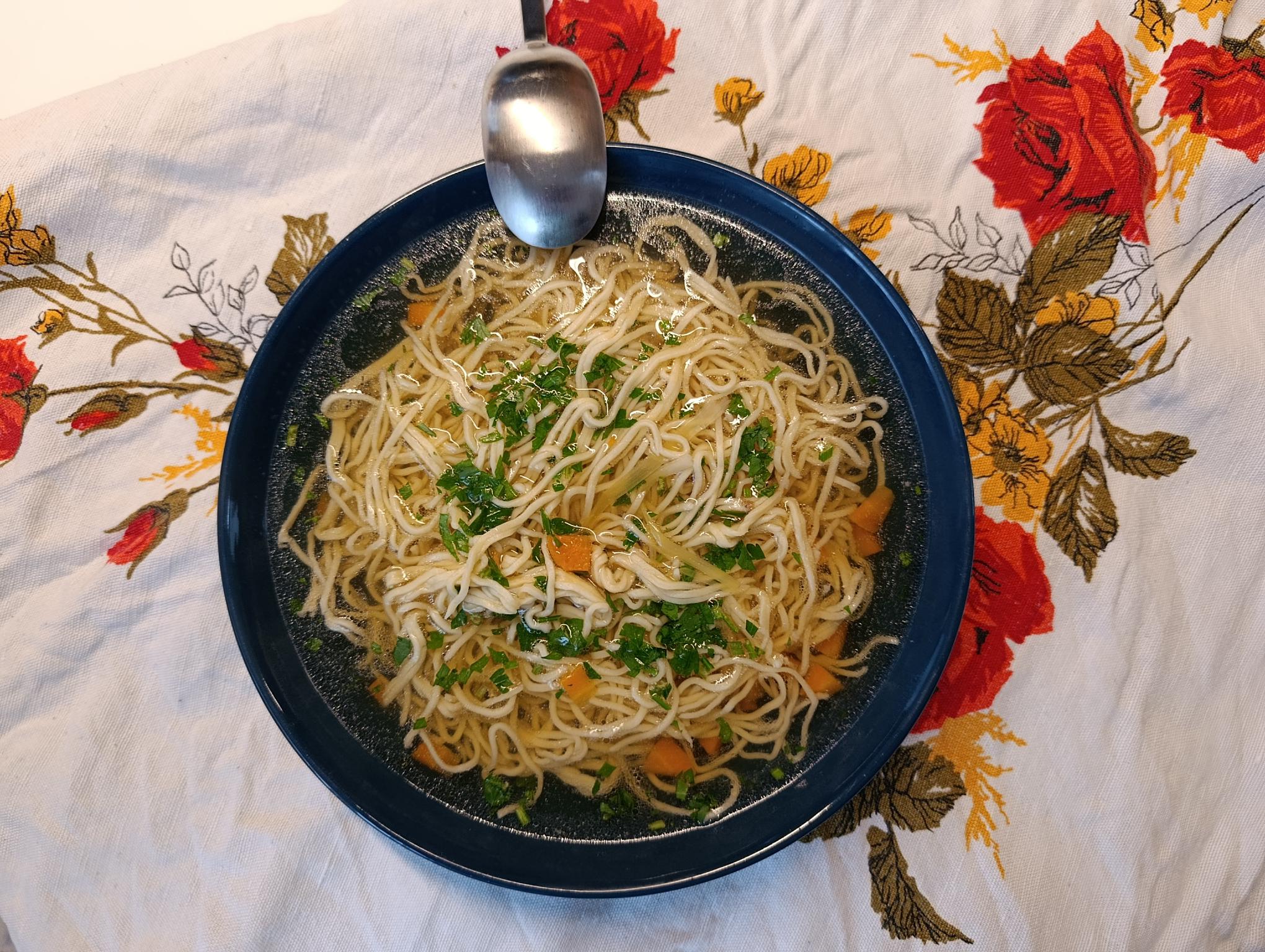
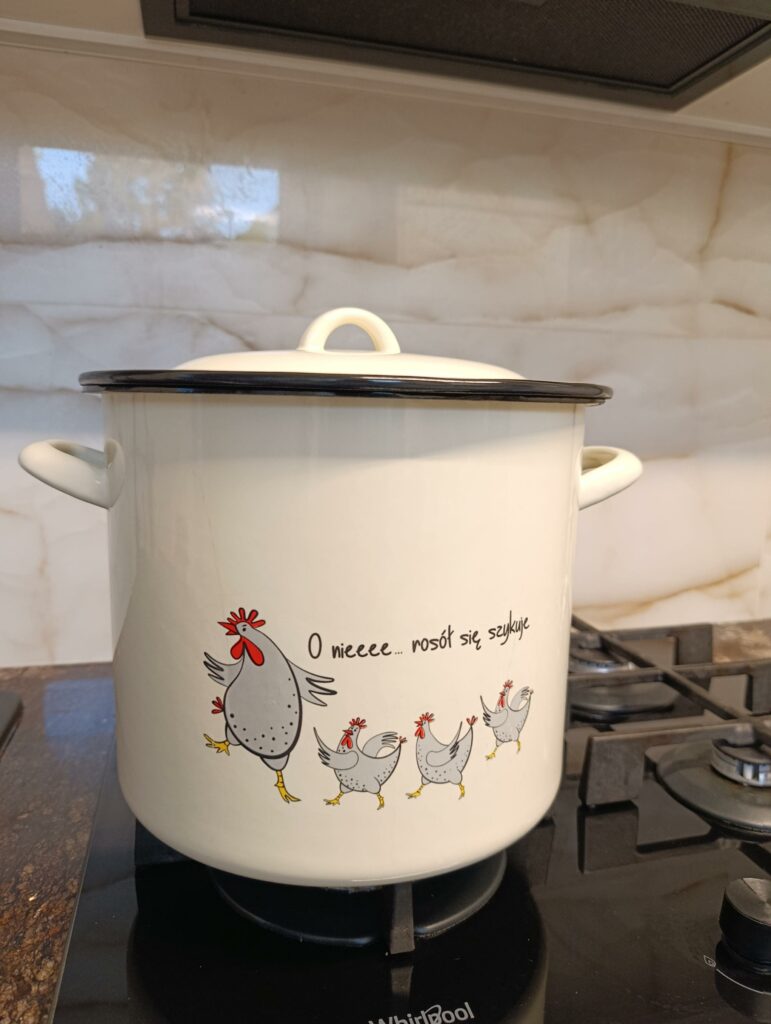
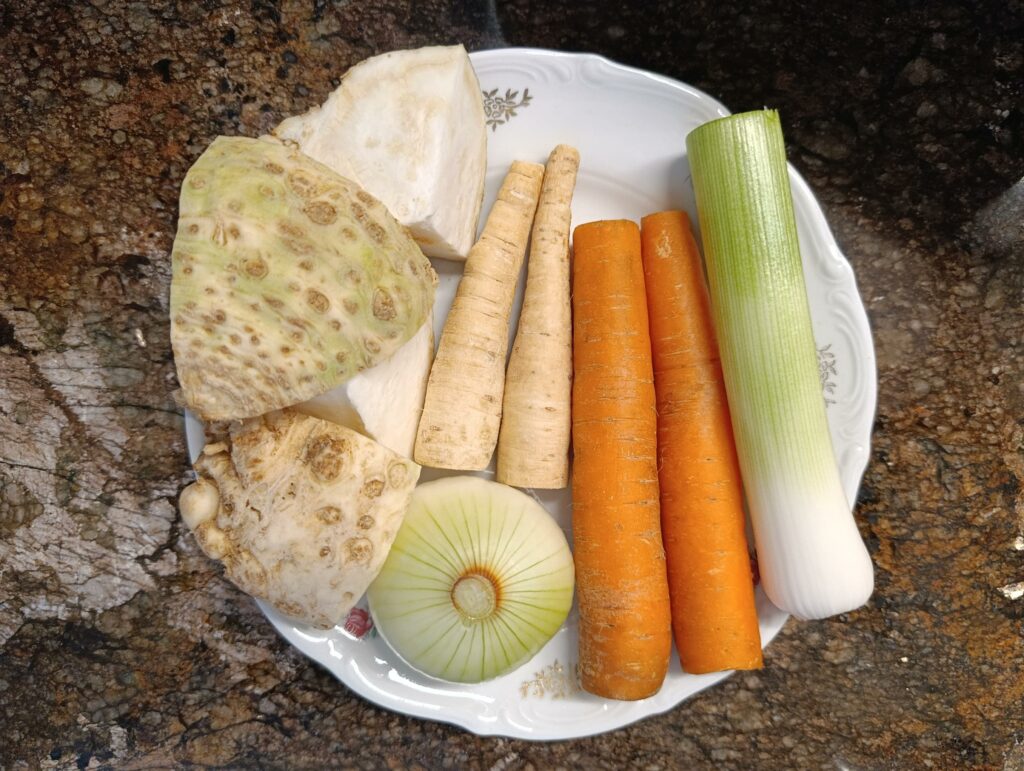
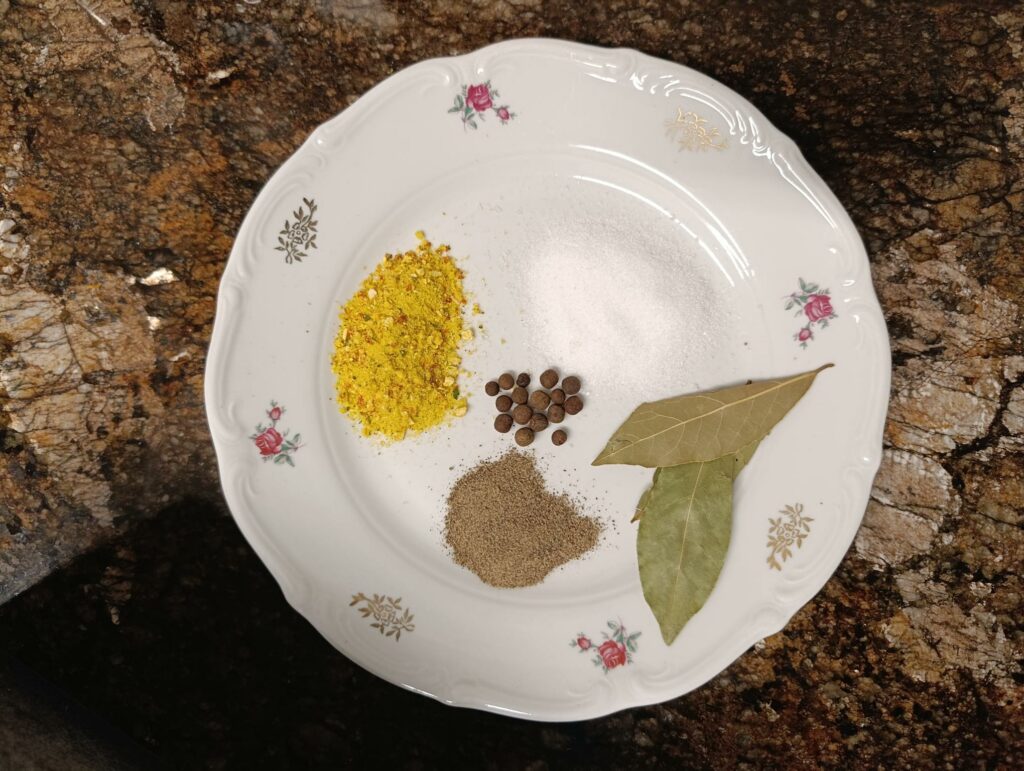
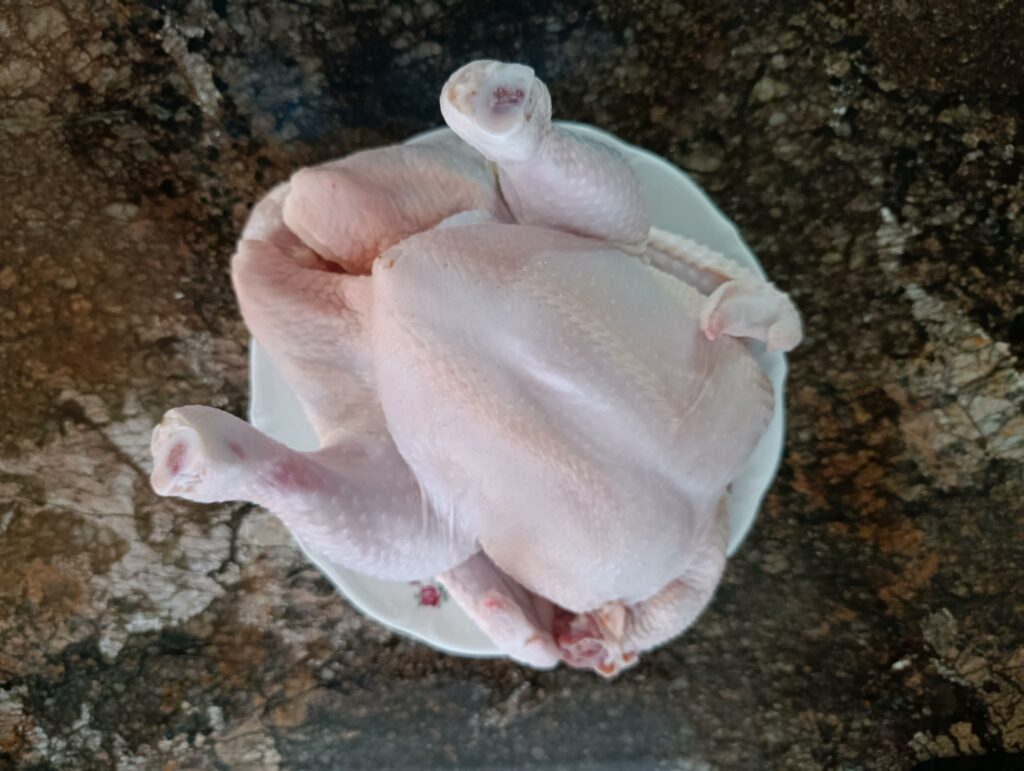
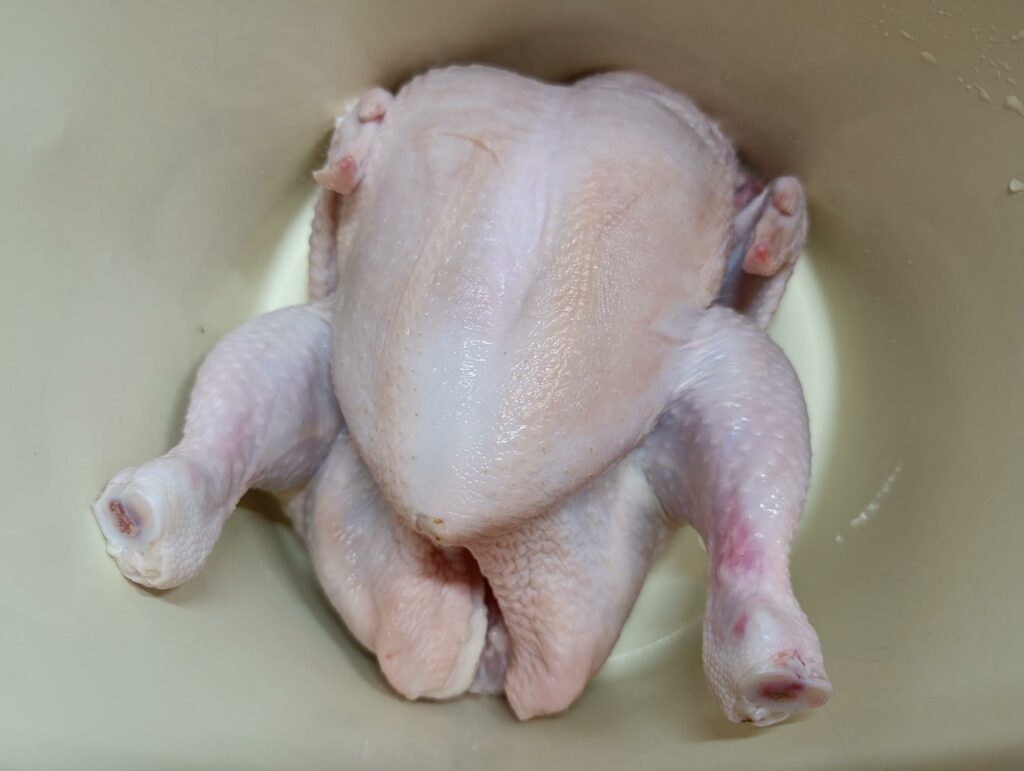
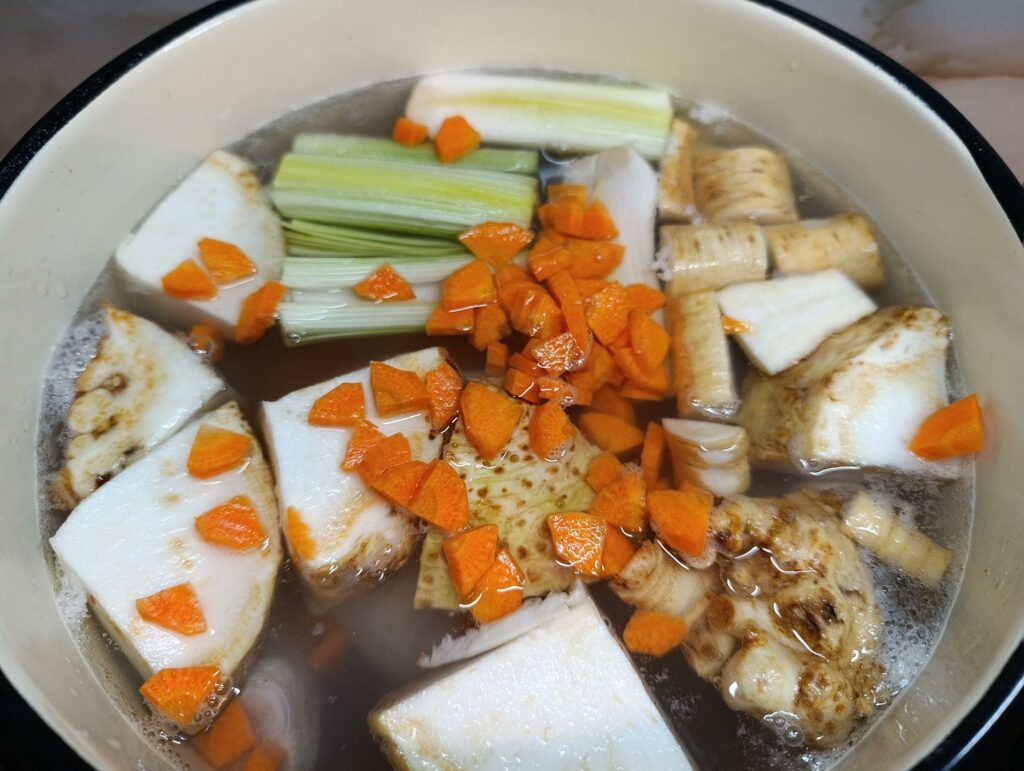
    In a beautiful jar that fits the rosol soup. I gather tje all necessary ingrediants for a good rosol that can reserve on sundays obiad.

    Do dużego garnka przełóż mięso, zalej zimną wodą. Wstaw i na średniom goniu zacznij gotować. W tym czasie obierz warzywa. Marchew, pietruszkę, por, cebulę, seler, paprykę, czosnek (w łupinach), przełóż na papier do pieczenia i wstaw do nagrzanego piekarnika (200st z termoobiegiem) . Podpiekaj chwilę, do momentu aż zaczną się prażyć. Zdejmij łyżką szumowiny z zupy, przełóż podpieczone warzywa do garnka. Dodaj liść kapusty, połowę pęczka natki pietruszki, pieprz, 2 łyżki soli, lubczyk i liście laurowe. Przykryj. Gotuj na niewielkim ogniu przez kilka godzin (4-5). Odcedź rosół do szerokiego garnka i przygotuj kluseczki.

  • Redyk in Poland: Why This Autumn Festival Captured My Heart

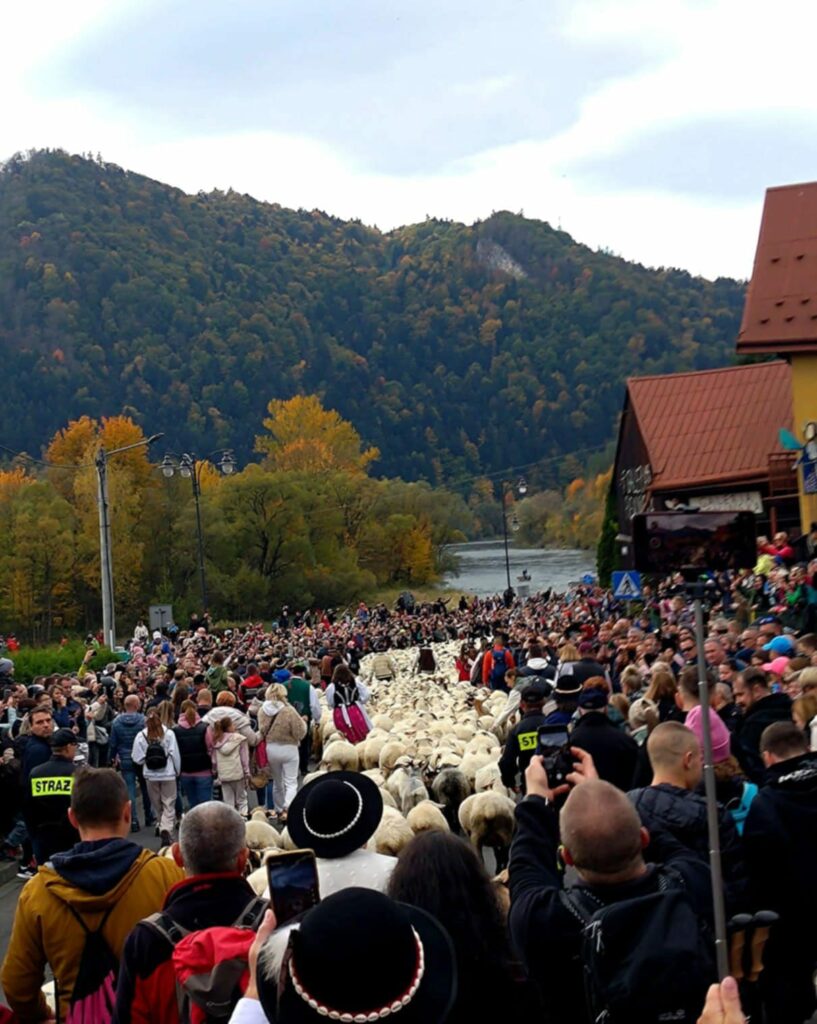
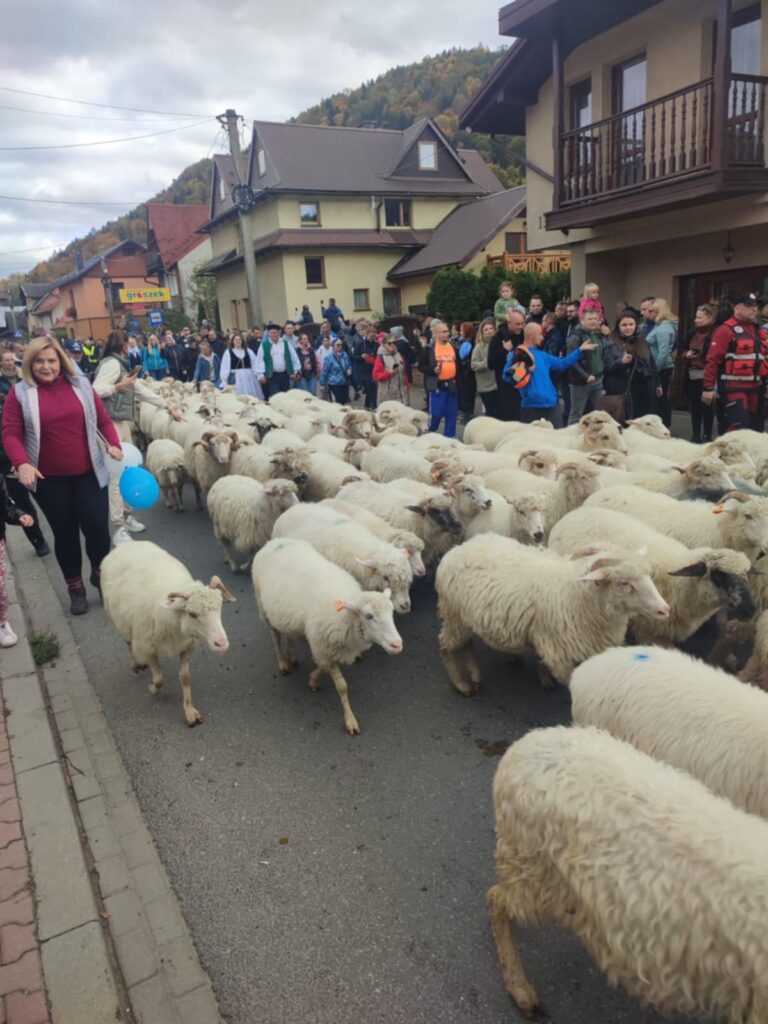
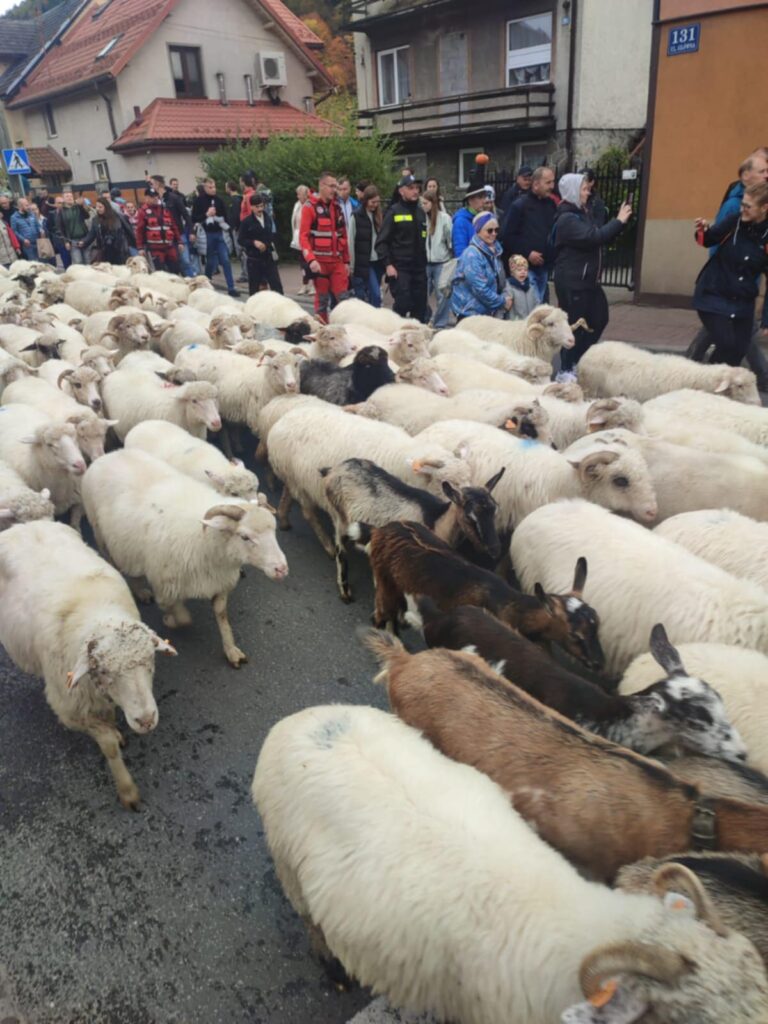
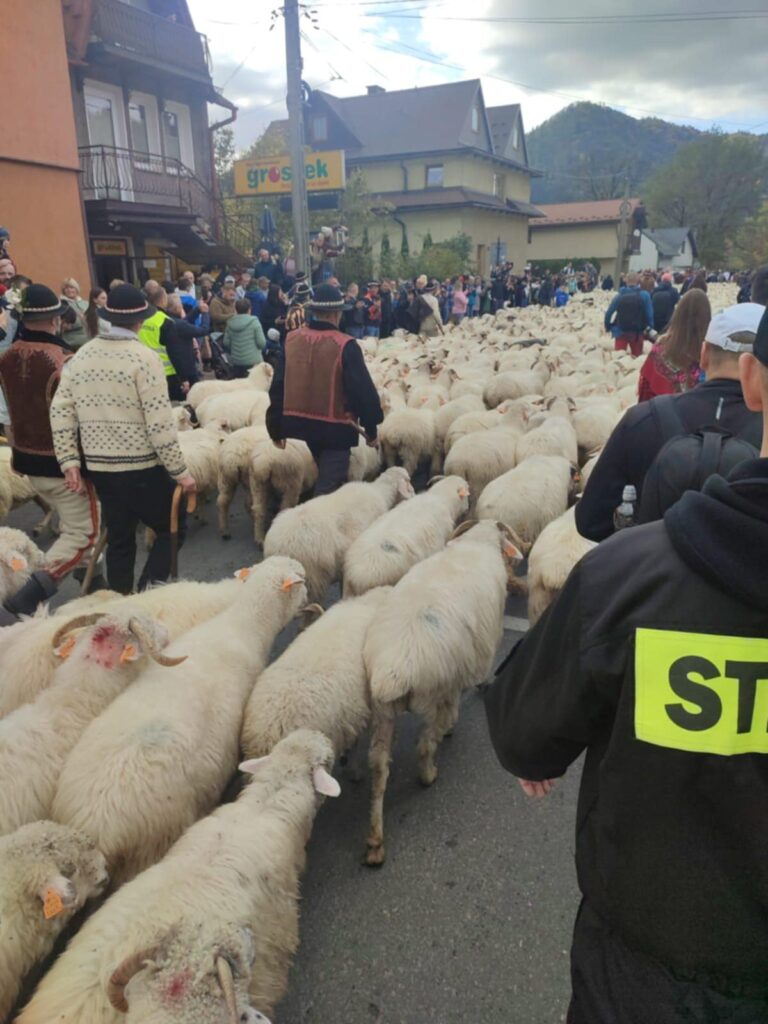
    Redyk in Poland: Why This Autumn Festival Captured My Heart

    Kto ma owce, ten ma co chce – mawiano niegdyś…Najbardziej widowiskowy i największy Redyk Jesienny w Polsce odbywa się w Szczawnicy. To niezwykłe święto promujące kulturę i zwyczaje Górali Pienińskich oraz tradycje pasterskie odbędzie się w tym roku 10-11 października.

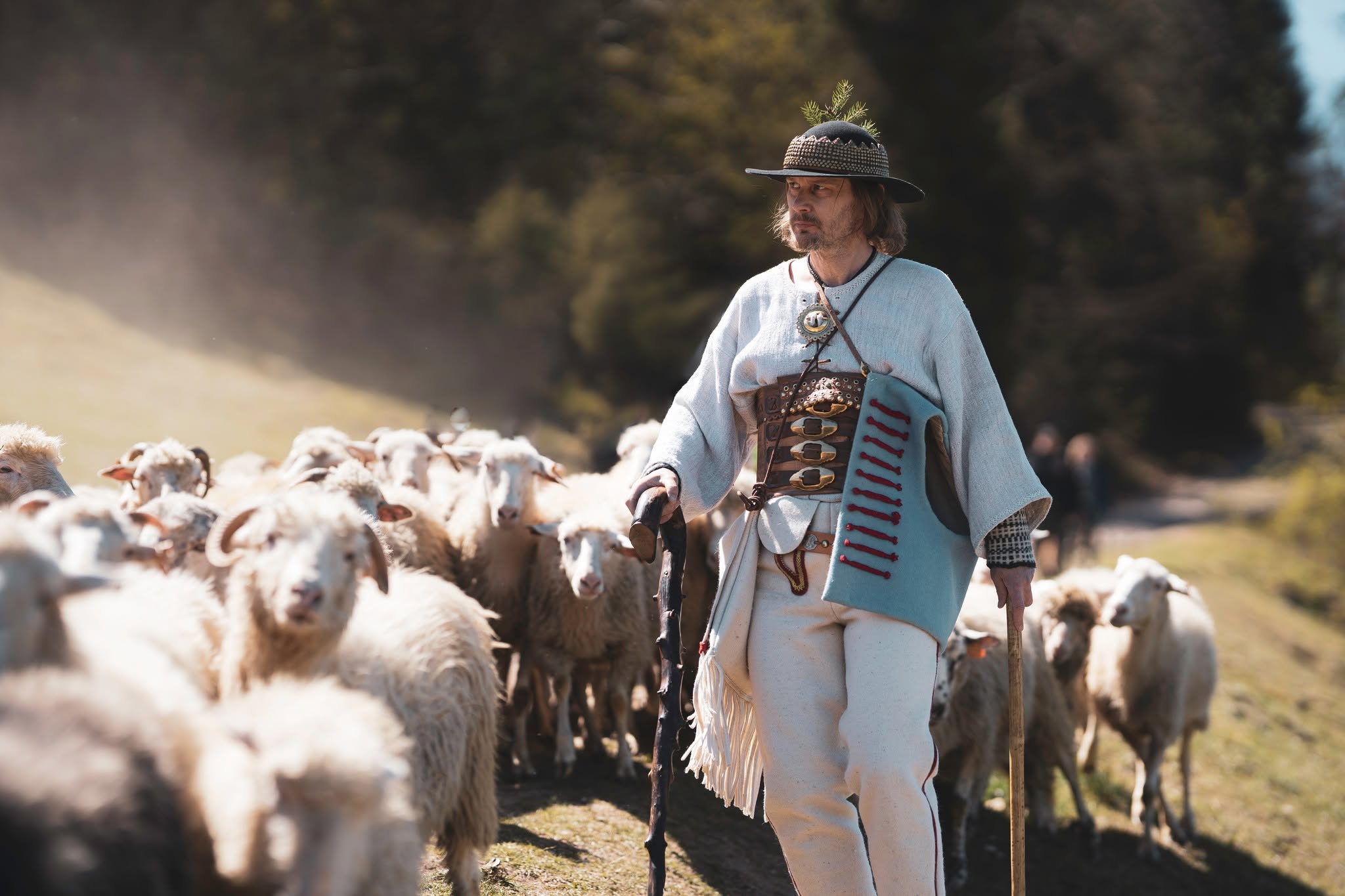
    Owce towarzyszą góralom od stuleci, stanowiąc nieodłączny element ich życia oraz podstawę bogactwa kulturowego regionu Pienin. Ich hodowla zawsze należała tu do głównych form tradycyjnej gospodarki rolniczej. Początki pasterstwa w Pieninach sięgają XV w. i związane są z przybyciem na te tereny ludności wołoskiej. To właśnie Wołochom zawdzięczamy całą kulturę pasterską. Do dziś na pienińskich halach, łąkach i polanach możemy oglądać piękne stada owiec, a także baców i juhasów.

    23-go kwietnia, na świętego Wojciecha patrona pasterzy, zgodnie z tradycją rozpoczyna się wypas owiec na górskich halach, który kończy się 29 września, w świętego Michała. Ich powrót, to wielkie, folklorystyczne wydarzenie, które jest świetną okazją do tego, by zapoznać się z tradycjami pasterskimi.

    Najbardziej widowiskowy i malowniczy Redyk w samym sercu Pienin odbędzie się początkiem października. To niezwykłe święto promujące kulturę i zwyczaje Górali Pienińskich oraz tradycje pasterskie. Podczas uroczystego obchodu można podziwiać pędzące przez ulice owce prowadzone przez baców, juhasów przy akompaniamencie góralskiej muzyki.

    Jesienny Redyk, w Szczawnicy cieszy się olbrzymią popularnością. To jedno z najbardziej widowiskowych i tradycyjnych świąt obchodzonych w polskich górach. Pozwala ono turystom cieszyć się pięknymi widokami, ale także poznawać lokalne tradycje i kulturę pasterską.

  • Why Ojców Is One of Poland’s Best Hidden Gems

    Why Ojców Is One of Poland’s Best Hidden Gems

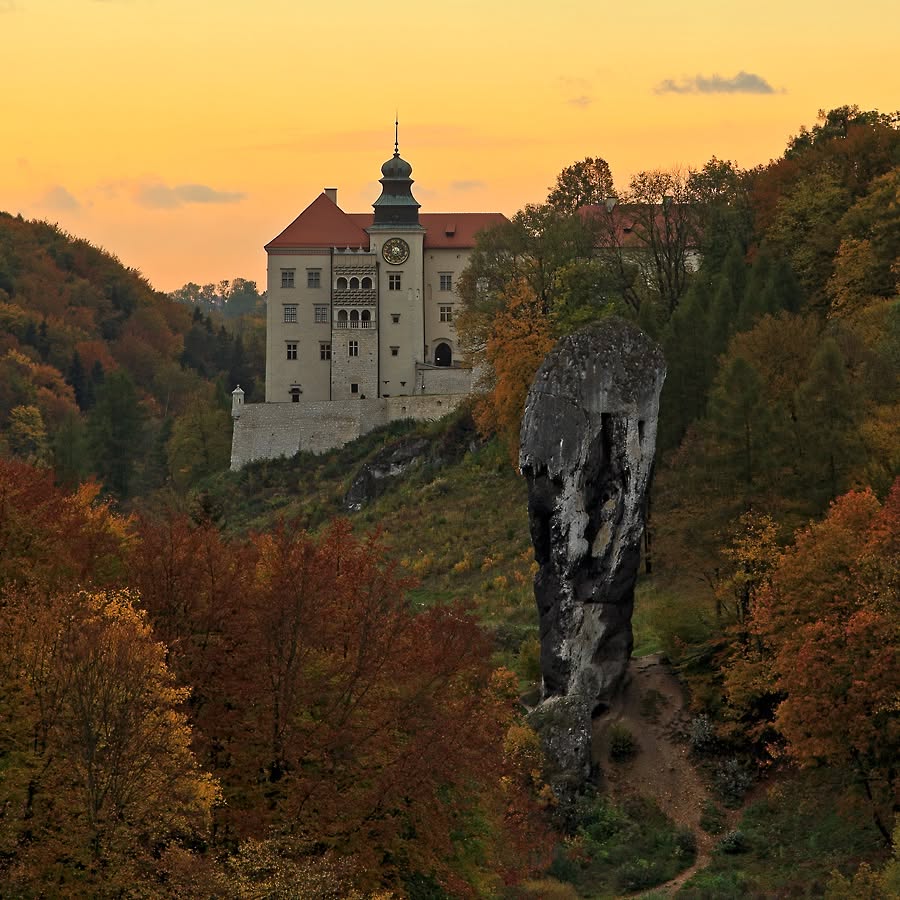
    One of the most special rock formations in the Ojców National Park Poland is the Hercules club (Maczuga Herkulesa). This freestanding limestone rock formation of about 25 meters high is a special sight and you wonder how this unique shape could have been created. It is the years of erosion that have created the formation. The club-like shape, reminds of Hercules’ club, hence the name. According to legend, the rock was placed there by a devil. It is one of the places in Ojców National Park where you definitely want to stop for a photo.

  • How This Museum Brings a Bit of Warsaw’s Story to Life

    How This Museum Brings a Bit of Warsaw’s Story to Life

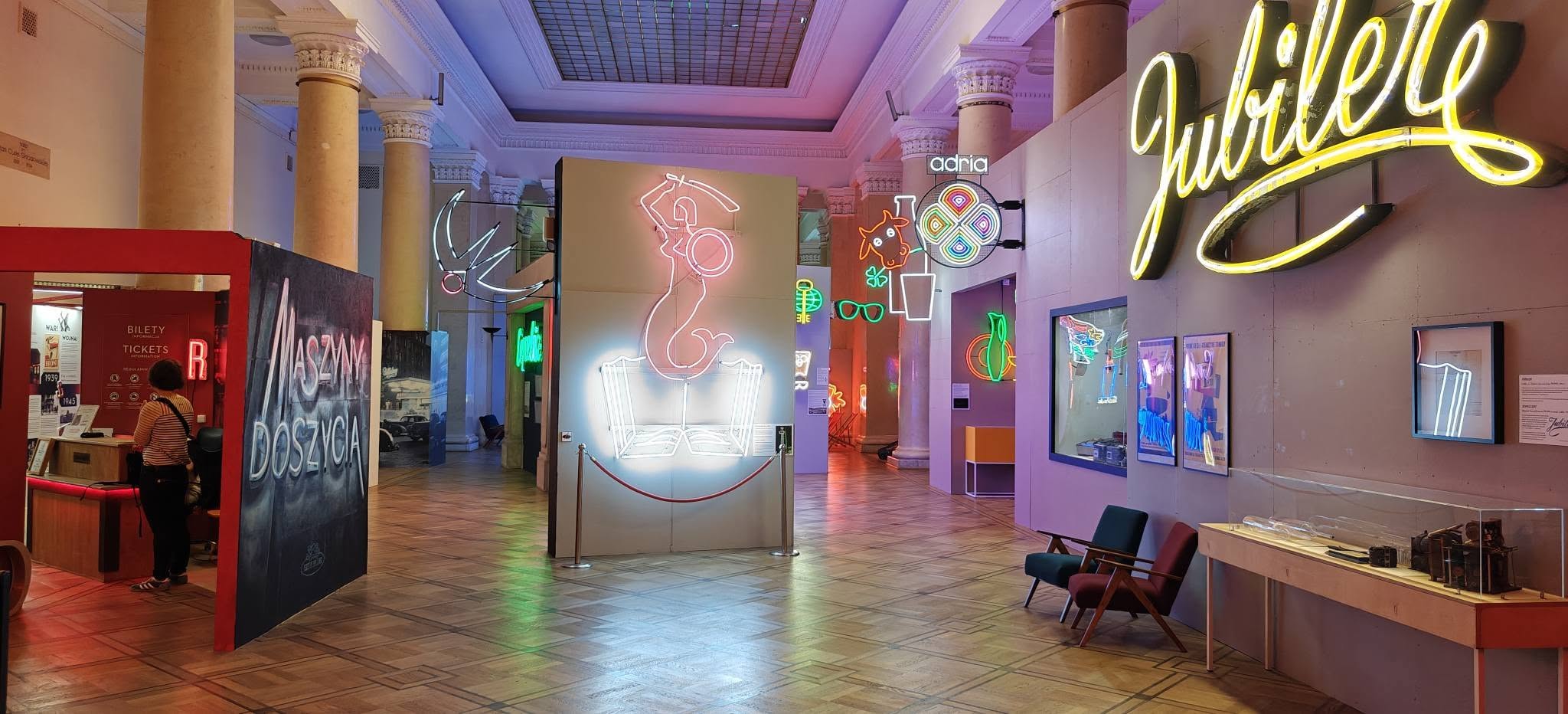
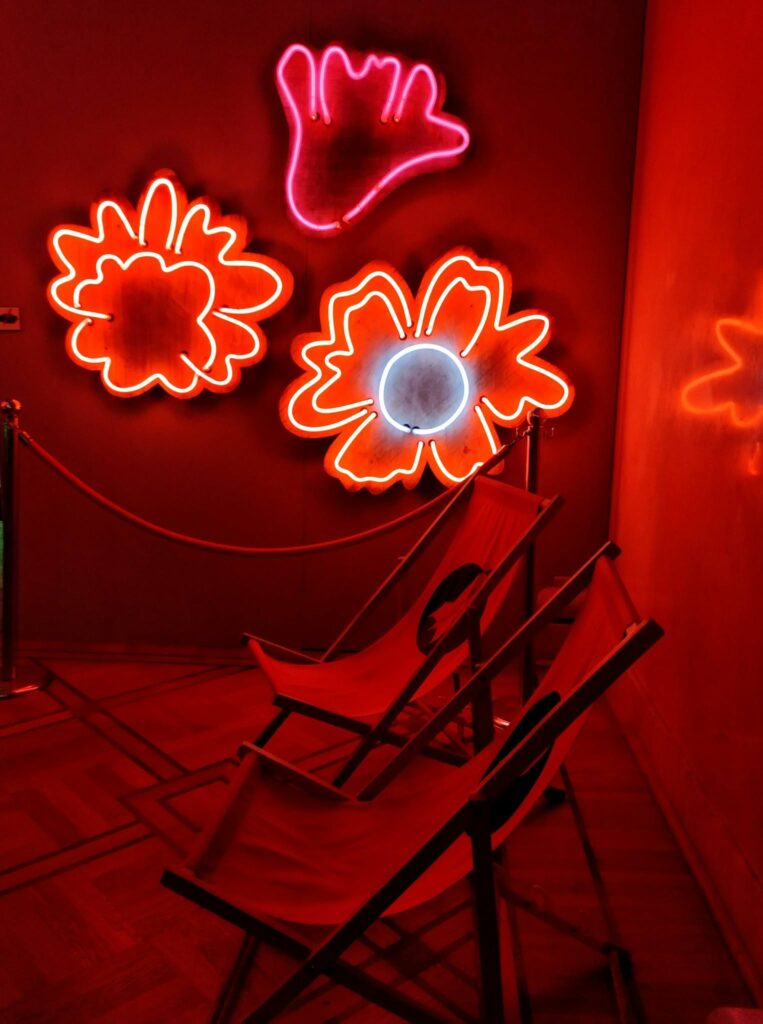
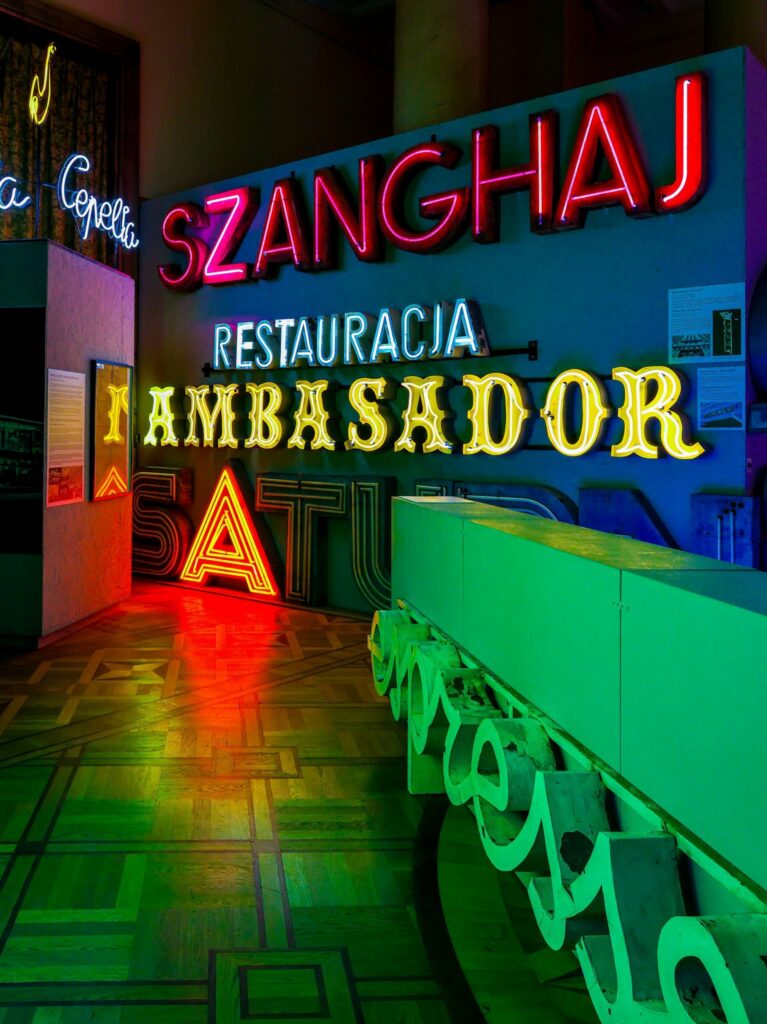
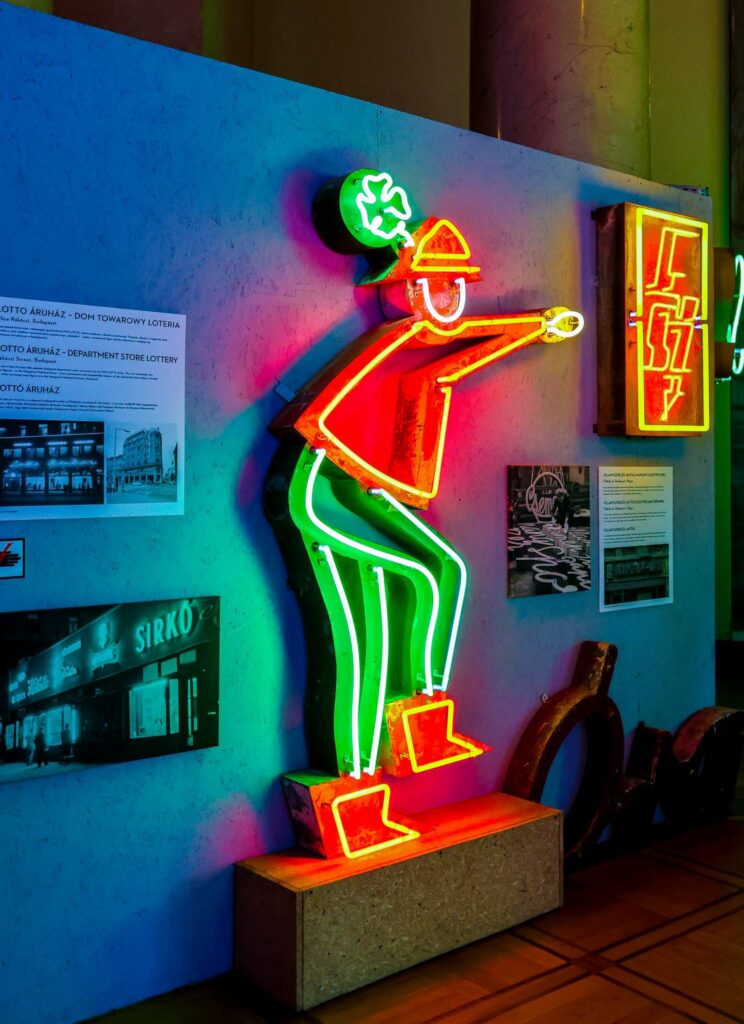
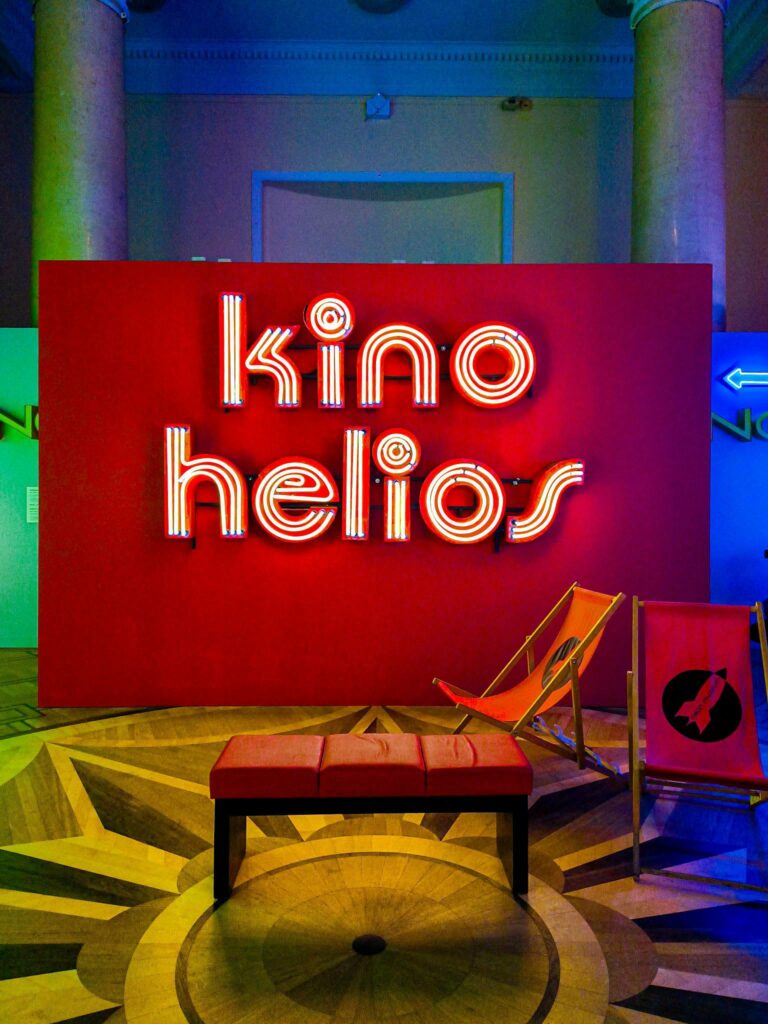
    You will see over 100 neon signs, iconic inscriptions and fascinating stories – this museum is a must-visit for any street art lover. Neon signs which – after having had their best years in the communist era – have fallen into oblivion, regain a second life at the museum. Renovated and colourful, their unusual designs are eye-catching and bring a touch of nostalgia.

    Neon signs in socialist Poland fulfilled a different function than in capitalist countries. While in the West their role was always advertising, in People’s Poland, which did not have a free market, they served as information and prestige. As a result of what was called ‘neonisation’, neon lights were placed in urban spaces according to a deliberate plan. They were designed for whole series of streets so that they would form an integral part of the architecture – matching in size and colour and not obstructing each other. Polish neon lights were designed by renowned graphic designers, artists and architects.

  • Poppy Fields in Poland: When and Where to See Them

    Poppy Fields in Poland: When and Where to See Them

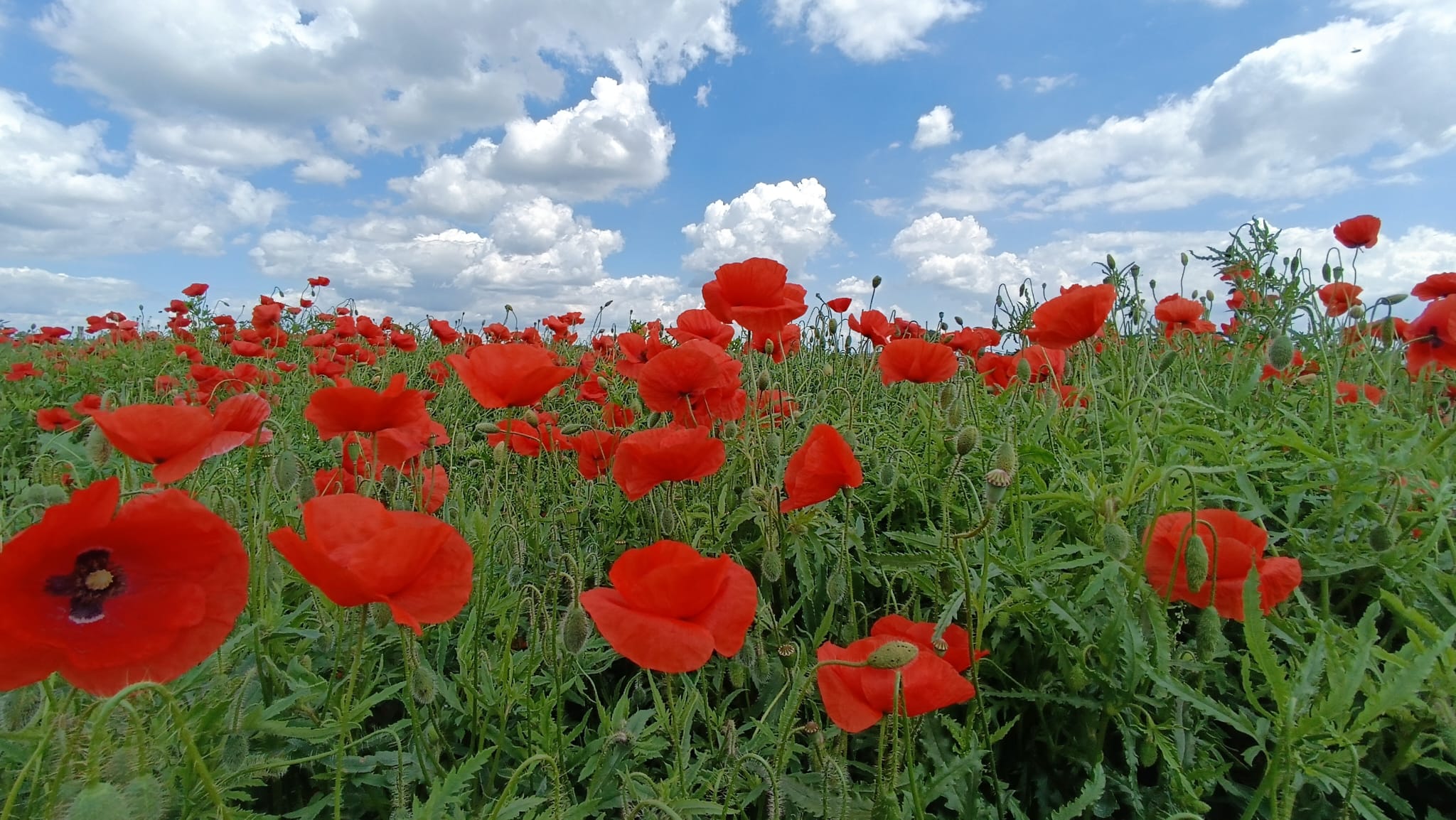
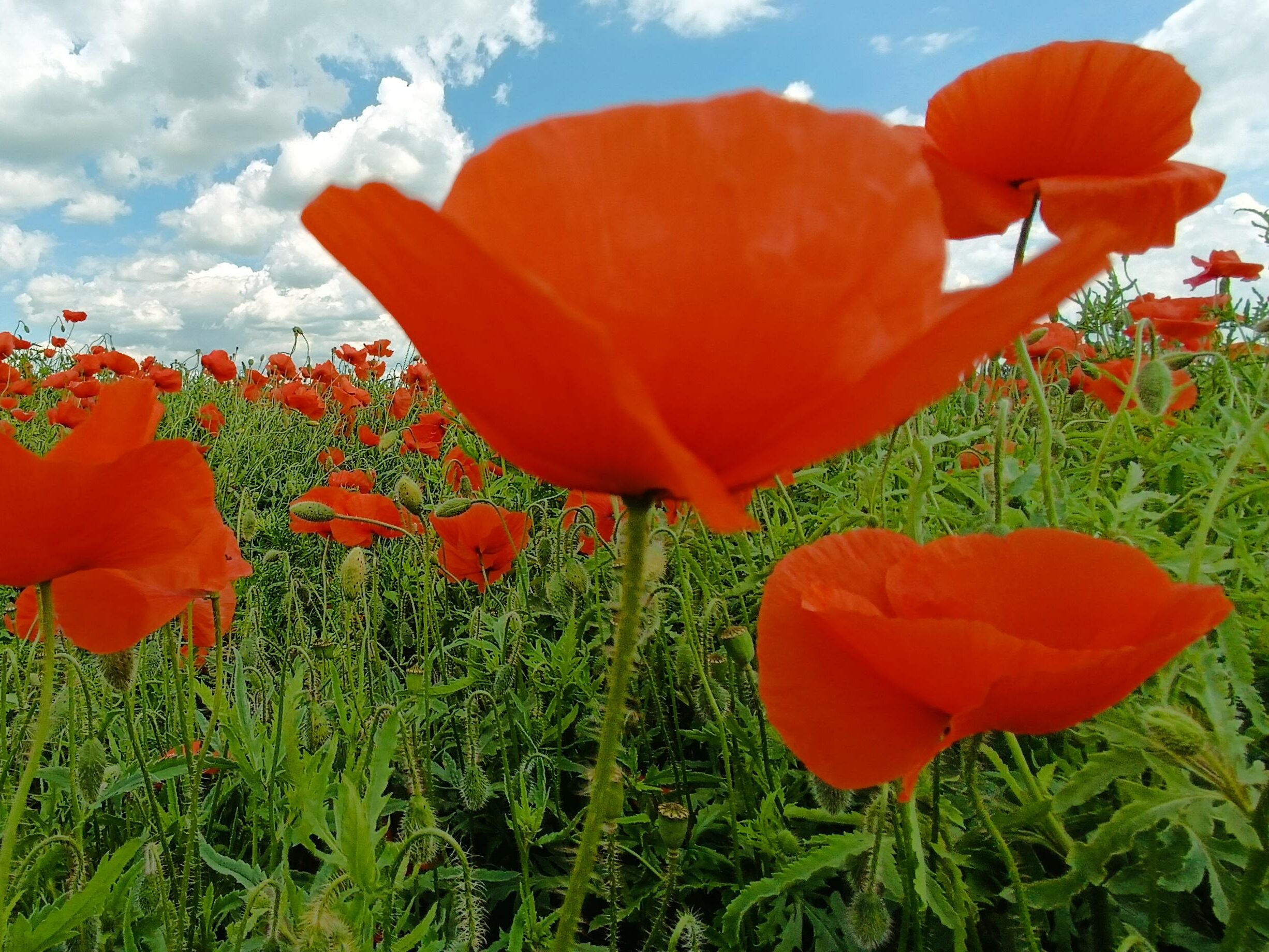
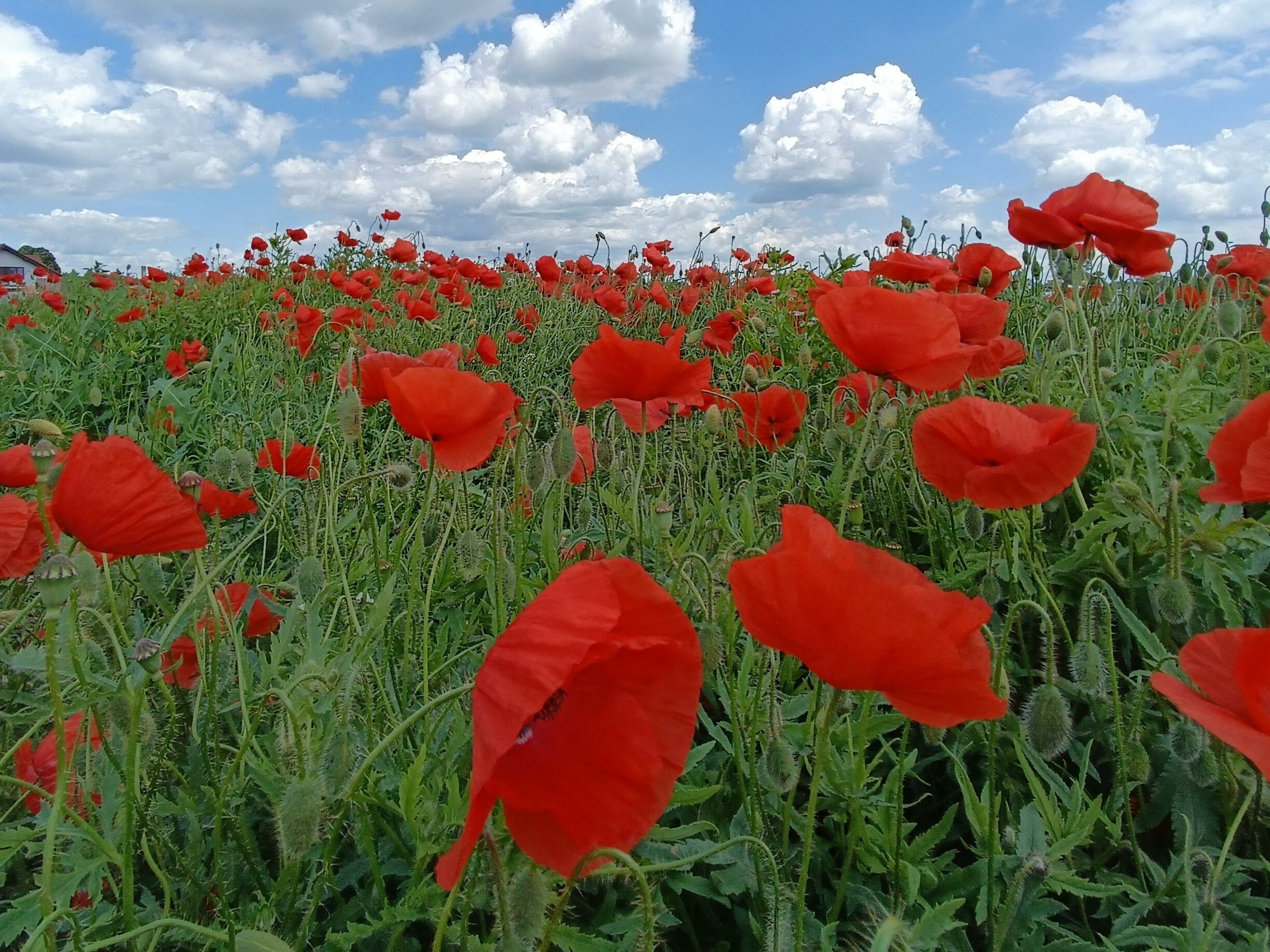
    Poppy flowers only blossom briefly between the months of May and August. It grows predominantly in the dirt and on both sides of the pavement, in lowlands and in the foothills. During this short period, the redness of fields and meadows become an unforgottable moments for those who crave such natural gems.

    Blooming poppy fields in Lesser Poland during early summer. © Why Poland?

    In many European countries, including Poland, the poppy is a symbolic flower. It has been closely associated to the European fields where its brilliant redness added charm to open landscapes. Through time, it turned from a wildflower to be used in art, medicine, and cosmetics, as well as for the production of oil.

    Beyond its beauty, the red poppy flower has acquired symbolism that has made it a memorial to victims of war, especially in Poland through the popular song “Czerwone Maki na Monte Cassino” (The Red Poppies on Monte Cassino). This flower represents the memory of the Polish soldiers that fought and lost their lives in the Battle of Monte Cassino during World War II.

    By the time May arrived, gorgeous crimson poppy fields were everywhere and there was no way to escape them. The images has started to flood social media and appear in friends’ posts. Before long, I found myself eager to get into these landscapes that almost surreal instead of simply admiring them through a screen.

    At some point, curiosity turned into a real desire to see that view with my own eyes instead of through a screen. So we left Krakow behind and drove deeper into Małopolska. The landscape began to change—the roads grew quieter, the fields spread wider, and nature slowly took over. We drove for miles, chasing those mysterious fields I’d only seen in photos. At first, just a few poppies appeared, shy and scattered along the roadside. Then, almost without warning, we were surrounded by them—thousands of red blooms stretching endlessly toward the horizon, as if the earth had slipped into a flowing crimson dress. We didn’t even have to think about it; we pulled over, stepped out, and let ourselves be completely lost in the beauty, capturing every moment through our lenses.

    The fields at the foot of the Karkonosheh Mountains are among the most beautiful places to admire the poppies. Behind this vast expanse of red, rolling hills and mountains covered in dense forests rise, creating a captivating natural tableau that combines the magic of color with the grandeur of the landscape. As the sun sets, the scene becomes even more enchanting; the poppy petals take on a warmer hue under the golden rays, while rays of light filter through the clouds and reflect off the fields, creating an unforgettable, dreamy atmosphere. For this reason, photography enthusiasts flock to these fields in the late afternoon to capture the most beautiful and magical images.

    Blooming poppy fields in Lesser Poland during early summer. © Why Poland?

    These fields are no longer just a destination for photographers; they have also become a favorite spot for families, couples, and friends looking to capture their special moments amidst an exceptional natural landscape. Many come to take family photos, engagement and wedding photos, or to celebrate a birthday or other special occasion, while others simply sit at the edges of the fields and enjoy a peaceful stroll away from the hustle and bustle of the city. These photos, after the flowering season ends and the red hues fade from the fields, remain precious memories, evoking the beauty of fleeting moments that occur only once a year, embodying the profound connection between humanity and nature, and preserving unforgettable scenes in our collective memory.

    Enjoying these natural landscapes should always be accompanied by responsibility and respect for the place. This means observing or photographing them only from designated paths and trails, and avoiding trespassing among the crops, trampling the flowers, or damaging them in the pursuit of the perfect photograph.

    Despite its delicate appearance, the poppy is a fragile seasonal plant, and any damage inflicted upon it or the surrounding crops can undermine the farmers’ efforts and have negative repercussions on these natural environments. Furthermore, the influx of large numbers of visitors to specific locations can, over time, lead to the deterioration of the fields and the loss of the beauty they were meant to offer.

    Out of this concern, we also refrain from disclosing the precise locations of some of these fields, not to conceal them, but to protect them from overcrowding and to preserve the privacy of the landowners.

    Although this scene lasts only a short time each year, it leaves a profound impression on all who visit. Pausing for a moment amidst this natural beauty, far from the noise of cities and the fast pace of life, bestows upon the visitor a sense of peace and tranquility, reminding them that the world’s greatest wonders are not created by humans, but are generously gifted by nature. Between photographs that immortalize these moments and memories that remain vivid for years to come, a visit to the poppy fields becomes an experience measured not only by the beauty of the scenery, but also by the sense of wonder and gratitude it evokes for all the fleeting treasures that nature offers, treasures that appear only once a year.

  • I Went to Zakopane and Saw the Giant Sleeping Knights of Giewont

    I Went to Zakopane and Saw the Giant Sleeping Knights of Giewont

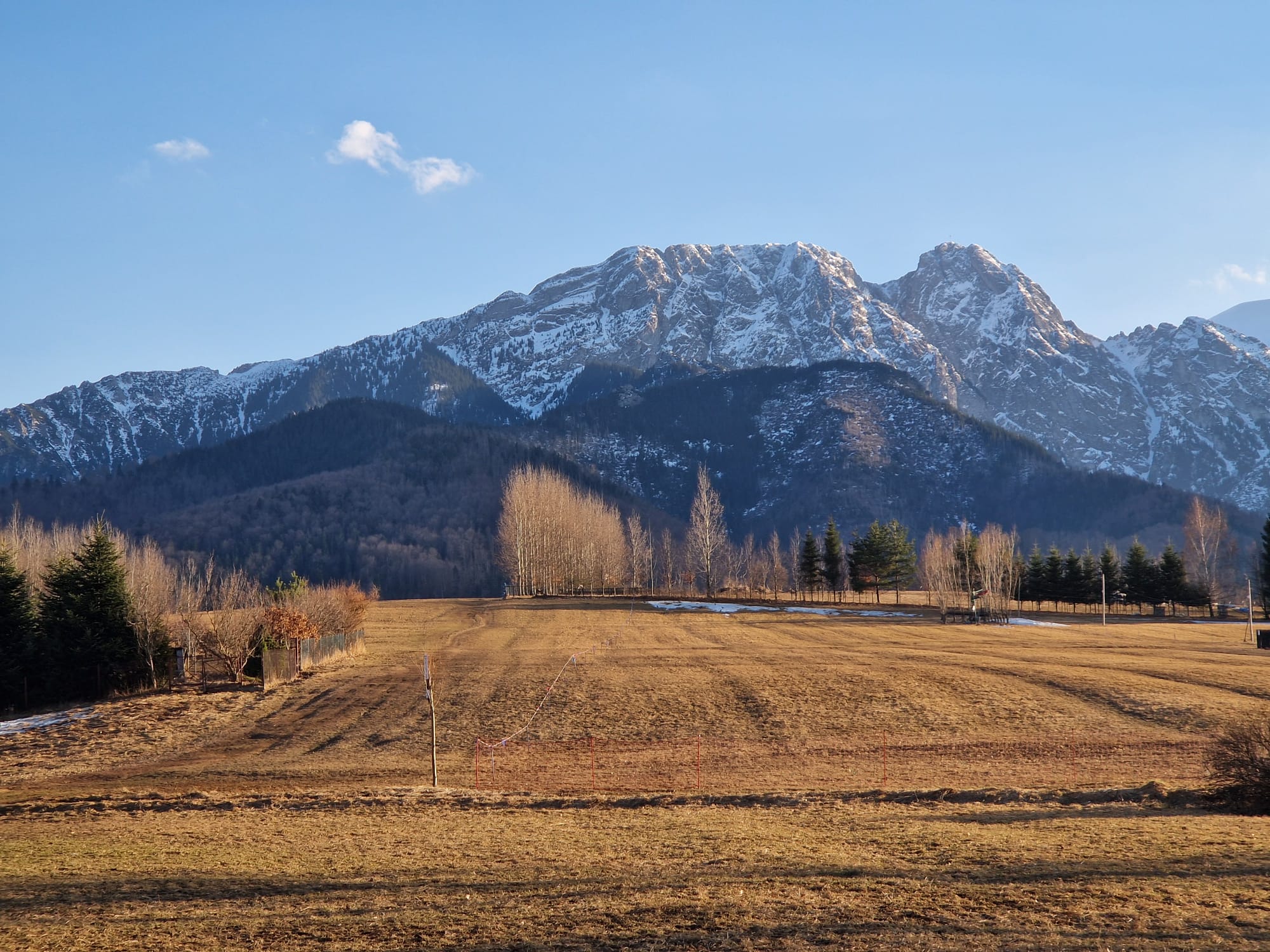
    towering over Zakopane, looks like a sleeping knight. Although it is not the highest peak in the Tatra Mountains, it is definitely the most popular! There has long been a legend about a treasure hidden in the corridors of this mountain massif:

    Once upon a time, a young shepherd named Kuba was grazing his sheep in the meadows around Giewont. He had also heard from his father stories about a treasure hidden in the mysterious-looking mountain. One day, one of Kuba’s sheep went missing. While searching for it, the boy came to one of Giewont’s caves, where he saw sleeping knights.

    After returning home, the boy told his father about his adventure:

    “You know, Dad,” he said, “there was no treasure, only those knights…”

  • Why Zalipie Is One of the Most Beautiful Villages in Poland

    Why Zalipie Is One of the Most Beautiful Villages in Poland

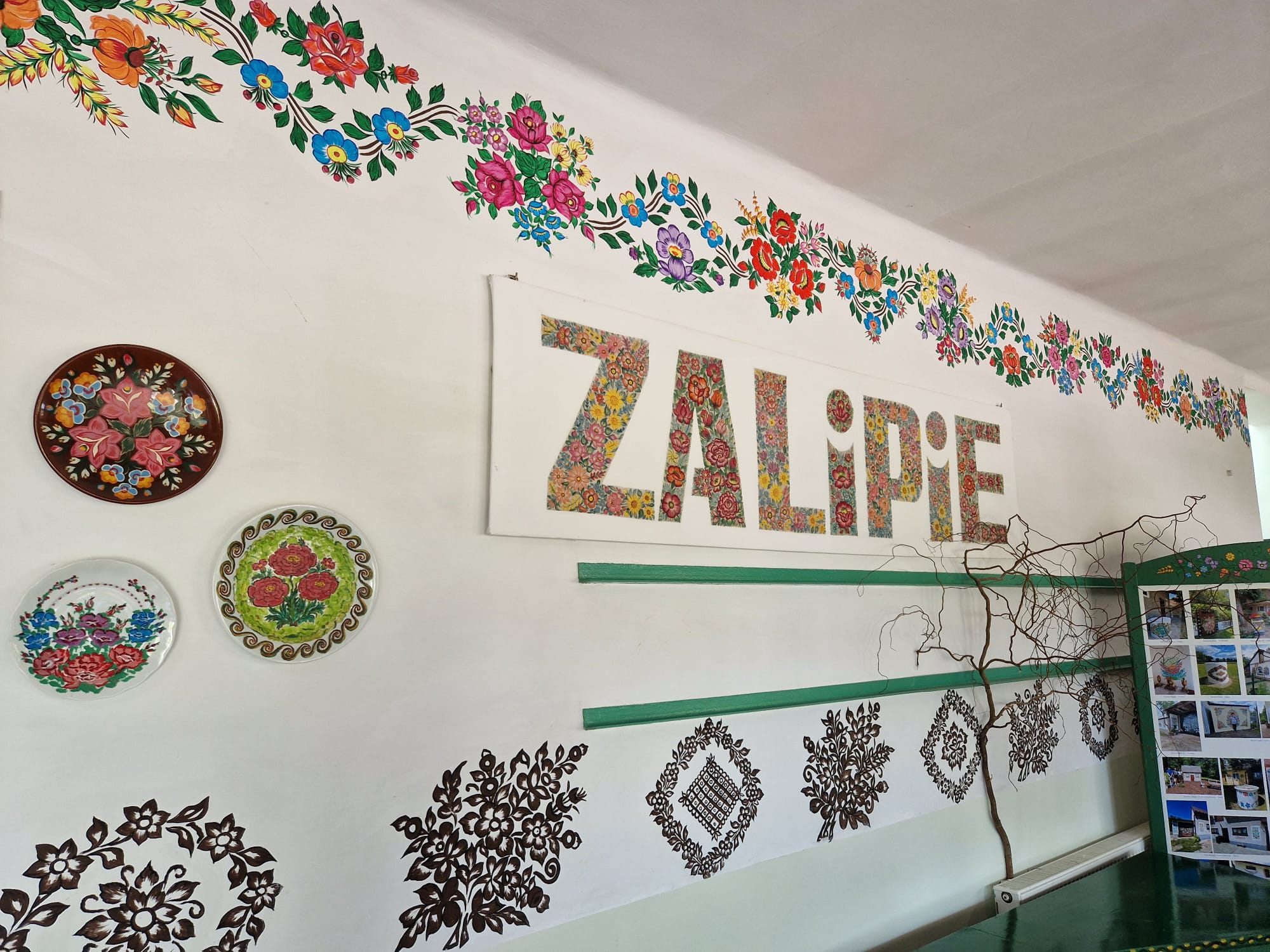
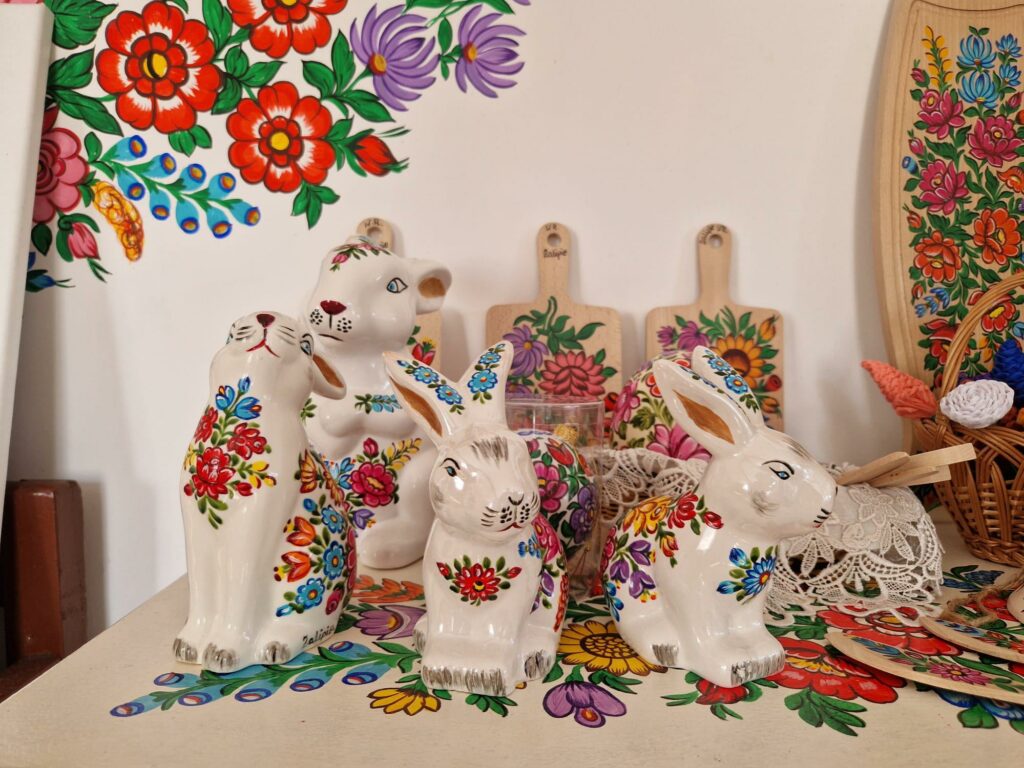
    This colourful village is famous for the decoration of its houses, with cheerful paintings on the walls and stoves, and crepe-paper flowers, paper-cut designs and hay spiders. A small ancient village in South-Eastern Poland, is definitely one of the country’s top tourist attractions. Not because it has five-stars hotels or massive glass buildings, but on the contrary, due to its small wooden cottages, which are painted in the most vibrant colors.

    This tradition has existed in the Powiśle Dąbrowskie region since the end of the 19th century. Flowers were also painted on external walls of peasant cottages and farm buildings, on fences, wells and even kennels. In Zalipie, there are now around 20 painted houses. The best known example of this original folk artwork is the homestead of Felicia Curyłowa (currently a branch of the District Museum of Tarnów), a Zalipie painter whose painting was already known in the period between the wars.

    And the perfect time to visit Zalipie is spring, as during this season, since 1948, the village hosts an important contest: the Painted Cottage competition or “Malowana Chata”. It started after the World War II ended, in the local authorities attempt to cover up the damage done the war.

    Going there is not only a perfect way to escape the busy life found in large cities or towns, but also a good, relaxing manner to simply enjoy life and art. During our tour, you will get to see a number of decorated houses, a museum, and a small shop with unique hand made souvenirs.

    There are villages that are beautiful because of their setting, villages surrounded by mountains or lakes, forests or dramatic coastlines. And then there is Zalipie, a small village in southern Poland whose beauty comes from something much more personal. Here, flowers appear where you might least expect them: across the walls of cottages, around windows and doors, on wooden fences, inside barns and on household objects. Blue, red, yellow and green patterns transform ordinary rural buildings into colourful works of art, creating a landscape unlike almost anywhere else in Poland.

    At first glance, Zalipie can look almost like a village from a children’s story. Whitewashed houses are covered with delicate floral motifs, flowerpots stand beneath windows, painted wooden objects decorate gardens and even practical parts of farm buildings can become part of the decoration. Yet the tradition behind this extraordinary appearance is much deeper than simple tourism. The painted flowers are the result of a folk-art tradition that developed within the local community over generations, shaped particularly by the creativity of women who turned everyday domestic spaces into expressions of imagination and identity.

    This is what makes Zalipie so fascinating. It was not originally designed as a tourist attraction. The village became famous because people outside the region gradually discovered something that had already existed for years: a community where painting was woven into ordinary life.

    The story begins with the houses themselves.

    In the past, rural homes were often heated by wood-burning stoves, and smoke could leave dark marks on walls and ceilings. Local women began decorating and refreshing the interiors with simple painted patterns, using whatever materials were available to them. Over time, these decorations became increasingly elaborate. Flowers emerged as a favourite motif, perhaps because they were familiar from the surrounding countryside and because they could be transformed endlessly through colour and imagination.

    What began as a practical form of decoration gradually became a distinctive artistic tradition.

    The flowers were not exact botanical studies. They were interpretations — stylised blossoms created from simple shapes, painted in bright colours and arranged according to the artist’s imagination. Some were large and dramatic, others delicate and repetitive. There was no single pattern that every household had to follow. Each painter developed her own approach, and this individual creativity became part of what makes Zalipie so charming.

    Eventually, the flowers moved beyond the interiors of houses.

    They appeared on exterior walls, fences, wells, barns and other structures, gradually transforming the village itself. What had once been decoration inside the home became a visual language extending into the wider landscape.

    Walking through Zalipie today, that tradition is impossible to miss.

    A house that might otherwise look like an ordinary rural building suddenly becomes something completely different when its walls are covered with painted flowers. A wooden fence is no longer simply a boundary. A small well becomes a decorative object. A barn becomes part of the composition. The village does not have the grand architecture associated with Poland’s historic cities, yet it creates its own kind of beauty from ordinary materials.

    The most famous name associated with Zalipie is Felicja Curyłowa, an artist whose work played an important role in bringing attention to the village’s painted tradition. Her home, now preserved as a museum, offers visitors an unusually intimate glimpse into the world that created Zalipie’s distinctive visual identity. Rather than encountering folk art as isolated objects inside a gallery, visitors can see how painting became part of the architecture and domestic environment.

    Curyłowa’s house is important not simply because it belonged to a talented artist, but because it demonstrates the relationship between art and everyday life in Zalipie. The flowers were not created for wealthy patrons or prestigious exhibitions. They were painted onto the places where people lived and worked.

    That distinction matters.

    Folk art often develops outside formal artistic institutions. There may be no academy, no official studio and no professional distinction between the artist and the person maintaining the household. The same hands that prepared food, cared for children and worked around the home could also create elaborate decorative patterns.

    In Zalipie, creativity became part of domestic life.

    The result is a village that feels almost entirely different from its surroundings. Drive into the area and the landscape is recognisably Polish: fields, trees, farmhouses and quiet roads. Then a painted building appears, followed by another. A flower motif emerges around a window. A fence catches your attention. Suddenly, you realise that the colour is not an isolated detail but a recurring language throughout the village.

    This is why Zalipie is best explored slowly.

    There is no single monument that explains everything. The village reveals itself through details. You might see a small floral pattern on a wall that would be easy to miss if you were rushing. Another house may have a much more elaborate design. A painted object might sit quietly in a garden, while nearby a barn carries enormous flowers across its wooden surface.

    The pleasure comes from discovering them.

    And unlike a traditional museum, the village is not arranged for visitors. It remains a real place where people live. That means visitors should remember that the painted houses are private homes as well as cultural treasures. Not every decorated building is open to the public, and wandering into private property simply for a photograph can turn an appreciation of the tradition into an intrusion.

    The best way to experience Zalipie is therefore with curiosity and respect.

    The village’s beauty is not only visual. It is also connected with the story of a community maintaining a tradition in a changing world. Modern rural Poland is very different from the countryside of a century ago. Agricultural practices have changed, houses have been renovated, and contemporary life has brought new materials, technologies and influences. Yet the floral tradition has survived.

    That survival is remarkable.

    Traditions do not remain alive simply because they are old. They survive because people continue to value them.

    In Zalipie, generations of artists have adapted the tradition while preserving its essential character. The flowers may look old-fashioned to a modern visitor, but the act of painting them is not simply an attempt to recreate the past. It is a continuing expression of local culture.

    This becomes especially clear when the village is visited during one of its traditional events. The community’s artistic heritage is celebrated through exhibitions, competitions and activities that connect contemporary residents with the work of earlier generations. One of the best-known traditions is the annual competition associated with painted cottages, which has helped encourage the continuation and recognition of Zalipie’s folk art.

    Such events also reveal something important about the village’s identity.

    Zalipie is not beautiful because tourists have declared it beautiful.

    Tourists came because the village already possessed a distinctive cultural tradition.

    That difference is worth remembering in an age when social media can transform almost any picturesque location into a destination. There are places that become popular because a photograph goes viral, and there are places whose character existed long before the cameras arrived. Zalipie belongs firmly to the second category.

    Its flowers have a history.

    They are connected to family traditions, domestic life, local craftsmanship and the changing identity of a Polish rural community.

    For travellers, this makes a visit more rewarding than simply photographing colourful houses. The photographs may be what first attracts you, but the story is what makes the place worth understanding.

    There is also something deeply optimistic about Zalipie’s visual language.

    Flowers are not painted because the countryside lacks beauty. They are painted because people wanted to bring more beauty into their surroundings. A plain wall could become brighter. A doorway could become more welcoming. An ordinary household object could become something decorative.

    In that sense, the tradition reflects a very human desire: the wish to make everyday surroundings beautiful.

    It is easy to imagine how powerful that idea must have been in a rural environment where homes were practical spaces and resources were limited. A few colours and a brush could transform an interior. A simple floral pattern could make a room feel different. Over time, these small acts of decoration accumulated into a distinctive visual culture.

    Today, visitors see the finished result.

    But the true story lies in the countless individual acts of creativity that came before it.

    That is why Zalipie should not be treated simply as a Polish version of a colourful tourist village. Its identity is more subtle. The painted houses are not a single architectural style imposed by planners. They are expressions created by individual people, each adding something of their own.

    Some patterns are bold.

    Others are delicate.

    Some houses are covered in flowers.

    Others have only a few painted details.

    That variety keeps the village from feeling artificial.

    For travellers coming from Kraków or other parts of southern Poland, Zalipie can make a memorable day trip, especially when combined with other attractions in the region. But it is worth resisting the temptation to arrive, take ten photographs and leave. The village deserves more time than that.

    Walk.

    Look closely.

    Visit the museum when it is open.

    Learn about the artists.

    Notice the differences between the painted buildings.

    And most importantly, remember that this is someone’s home and community.

    The reward is a much deeper understanding of why the village looks the way it does.

    As you leave Zalipie, the painted flowers begin to disappear behind the trees and the countryside returns to its more familiar colours. The fields remain green or golden, the roads become quieter and the village gradually becomes another small point on the map.

    But the image stays with you.

    A white wall covered in bright flowers.

    A wooden fence painted with delicate leaves.

    A rural cottage transformed into something joyful.

    Perhaps that is why Zalipie has earned its reputation as one of the most beautiful villages in Poland. Its beauty is not based on wealth, monumental architecture or spectacular geography. It comes from imagination applied to ordinary life.

    The people of Zalipie took the walls around them and turned them into canvases.

    They took a practical rural tradition and turned it into an artistic identity.

    And generations later, those flowers are still blooming — not in a field, but across the village itself.

    That is the real magic of Zalipie.